2025’s Best Fuel Cards for Small Businesses: Options for Effective Fuel Management

Managing fuel expenses can feel like you're driving in circles without a map—each turn leads to confusion and the risk of going over budget. For small businesses, especially those with fleets that rely heavily on vehicles, keeping track of fuel costs is not just important; it's essential for success. The good news is that fuel cards are here to help you navigate those tricky roads. They're designed to simplify how you manage your spending, keep an eye on usage, and even earn rewards along the way. Additionally, these cards often integrate with an app that allows business owners to access information about their fuel expenses from virtually any location. In this article, we'll explore some of the best fuel cards available in 2025 that can put you firmly in control of your fuel expenses while maximizing savings. Buckle up as we dive into different options tailored specifically for small business owners looking to smooth out their financial journey!

Business gas card comparison chart for small fleet management in 2025


The best fuel cards for small businesses in 2025 include options such as the American Express® Business Gold Card, which offers up to 4X points at U.S. gas stations, and the Bank of America® Business Advantage Customized Cash Rewards Mastercard®, providing up to 3% cash back on gas and EV charging. These cards enhance fuel management through rewards programs and expense tracking features tailored to meet the needs of small business fleets. Furthermore, cardholders enjoy added security features, ensuring that all transactions are secure and fraud risks are minimized.

Overview of Fuel Cards for Small Businesses

Fuel cards are designed to be a lifeline for small businesses, particularly those that rely heavily on vehicles for their operations. They help streamline fuel expenses by providing a convenient way to manage and monitor fuel purchases without the hassle of carrying cash or reimbursing employees for gas. By issuing individual cards to drivers, business owners can track spending per vehicle. This system not only encourages responsible use but also helps combat unauthorized spending with tighter security measures. Some services even allow you to set specific locations where the card can be used, adding another layer of security and control.

The Benefits of Using Fuel Cards

Beyond just convenience, fuel cards offer numerous benefits that assist small businesses in maintaining control over their costs. For example, many fuel cards provide rebates directly tied to gasoline purchases, making them valuable for companies with fleet operations. This enables business owners to save between 2 cents to 10 cents per gallon on average, significantly reducing overall fuel costs. By having a detailed account of fuel expenditure, businesses can better align their budgeting strategies.

Imagine running a small delivery service where you’re constantly monitoring your spending on gas. With a dedicated fuel card program in place, you can precisely track each vehicle’s consumption and realize areas where you could cut back or optimize trips, ultimately improving your credit standing through diligent financial management.

Detailed reporting features are another hallmark of modern fuel cards. These features allow small businesses to see exactly how much they are spending and on what. With clear records of transactions, accounting becomes much less of a headache. Furthermore, these reports often highlight trends in fuel consumption, providing insights into potential areas for improvement. For instance, if one vehicle is consistently using more fuel than others under similar conditions, it could signal the need for maintenance or suggest inefficient driving patterns. The ability to access this information through a user-friendly app makes real-time adjustments more feasible, reinforcing cost-efficiency. 

Advanced Features and Emerging Trends

As technology continues to evolve, so too do the opportunities presented by fuel cards. Many of today’s options come equipped with features specifically designed for electric vehicle (EV) fleets as the demand for sustainable transport options rises. These newer fuel cards facilitate efficient EV charging management alongside traditional refueling capabilities, reflecting the growing push towards greener alternatives in the business landscape. Additionally, they offer seamless integration with existing business services, allowing straightforward coordination of transportation logistics.

Additionally, approximately 70% of small businesses report improved management of their fuel expenses after adopting these card systems. By embracing such advancements, they can efficiently manage their diesel purchases, especially at dedicated fuel stations through a range of services that these cards offer. The savings can add up over time: research shows that these programs can reduce fuel expenses by anywhere from 10% to 20%. That's significant when considering that some fleets average over $12,000 annually on gas alone! This level of savings not only helps maintain financial balance but also prevents the risk of fraud associated with fuel purchases.

When armed with the right tools like fuel cards and tracking software, small business owners can feel confident about their spending and make decisions rooted in precise data rather than guesswork. For seamless integration and ease of access, many fuel card programs now feature a mobile app, enhancing fleet management by allowing real-time tracking and reporting.

So whether you run a fleet of delivery vans or travel frequently for business purposes, investing in a suitable fuel card leads to smarter fiscal management while enhancing operational efficiency. This not only supports traditional vehicles but also those that run on diesel, ultimately expanding the scope of your business's functionality.

Let's turn our focus now to discover some standout options available in this arena. 

Top Picks for Fuel Cards in 2025

The American Express® Business Gold Card shines brightly, boasting up to 4X points at U.S. gas stations. This is an ideal choice for enterprises that prioritize maximizing rewards. Each point you earn opens doors—whether it be for travel vouchers, office supplies, or even straight cash back. Imagine taking your team on a much-needed retreat funded by the very points earned from gas purchases; it's not just a card but a savvy investment in both your business and employee morale.

However, if you're looking for something more cost-effective without an annual fee, consider the Bank of America® Business Advantage Customized Cash Rewards Mastercard®.

This card promises you up to 3% cash back on gas and EV charging, making it exceptionally appealing for modern businesses that are transitioning towards electric vehicles while keeping a careful eye on expenses. With no annual fee in sight, the financial strain on businesses is lessened without compromising on rewards. It's like adding free fuel to your savings tank!

For those managing fleets specifically, the Coast Fleet Card stands out in an already competitive field.

Tailored precisely for fleet operations, this card offers savings of up to 10 cents per gallon at partner stations; think of all those pennies stacking up over time! But it doesn't stop there—its expense management features elevate it beyond just a simple fuel card. Owners can easily keep track of spending across all vehicles while maintaining full control over each driver's usage. Whether you're monitoring fuel purchases for accountability or ensuring budget compliance, this card checks off many crucial boxes.

Notably, another player worth mentioning is the U.S. Bank Triple Cash Rewards Visa® Business Card, which brings us valuable cash-back options without limitations.

This card offers a compelling 3% cash back at gas stations with no spending caps. What this means for businesses is clear: you can spend as much as necessary on fuel without worrying about hitting a limit. Picture a month where your vehicles are constantly on the road—this card continues rewarding you for every drop of fuel used.

Armed with these powerful options, small businesses can fine-tune their fuel management strategies effectively as they move forward to examine the defining characteristics and advantages offered by these cards. They cater to a wide range of business needs, including diesel and alternative fuel options. 

Pros and Cons of Credit Cards

One of the biggest advantages of credit cards is their flexibility. They can be used for a variety of purchases beyond just fuel, including groceries, dining, and essentials. This versatility makes them appealing to many consumers who appreciate consolidating multiple expenses onto a single payment method. Additionally, credit cards frequently come with rewards programs that offer cash back or points for every dollar spent. On average, these rewards range between 1% and 5%, providing an incentive that can result in significant savings over time.

However, it’s crucial to recognize that these benefits are not without their drawbacks. 

Top-rated business gas cards for maximizing fuel savings and cashback

High interest rates present a formidable challenge for credit card users. Interest rates can vary widely but generally fall between 15% and 25%. If someone carries a balance month-to-month, they end up paying much more than anticipated due to accumulating interest charges. For instance, while enjoying the rewards earned from spending, one might overlook the heavy toll that high APRs can take, leading to financial strain.

Many credit cards also have annual fees that can range from $0 to several hundred dollars. While some cards offer excellent benefits justifying these fees, they can catch users off guard if not fully understood upfront. This lack of awareness might turn what seemed like a great financial strategy into an unexpected expense.

It’s also worth noting that while credit cards encourage responsible usage and can help build your credit history—improving your score over time—they can lead to overspending. The ease of swiping a card often means people spend more than they would with cash. Studies indicate that credit card users consistently spend between 12% and 18% more compared to those who use cash. Hence, there’s a delicate balance between enjoying the benefits of your card and ensuring you don’t plunge into debt.

As we consider these nuances of credit card usage, it's essential to reflect on how they compare with specialized options tailored specifically for managing fuel expenditures, especially for businesses incorporating EVs into their fleet management. 

Comparing Rewards and Cashback

When it comes to rewards, gas cards and credit cards each come with unique advantages designed for different spending habits. For many shoppers, particularly those who regularly fill their tanks, gas cards can provide astonishing savings.

These specialized cards frequently offer discounts at the pump, allowing users to pay below the cash price at certain locations. In fact, some gas card users report savings ranging from $0.05 to $0.25 per gallon. This can add up considerably over time, especially for those who find themselves refueling multiple times a week.

However, while gas card savings are enticing, they are often limited to specific gas stations. If you only ever refuel at one chain or store, this model could be extremely advantageous for your wallet. But if you're someone who enjoys the flexibility of choosing where to fill up based on convenience or pricing, then credit cards, especially those tailored for fuel expenses, might be the better route.

Understanding these financial tools, especially in the context of evolving needs such as EV integration and employee management, ensures your business remains adaptable and financially sound.Credit cards bring a whole other dimension into the mix by offering cashback options that can be even more lucrative than gas cards under certain conditions. Many credit cards reward users with up to 5% cashback on fuel purchases—an attractive percentage that can noticeably lessen fuel costs over time. What's even more appealing is that new sign-up bonuses can amplify these earnings considerably. For businesses looking to align their financial strategies with specific business needs, credit card rewards can offer targeted benefits that extend beyond fuel savings.

For example, consider a card like the Citi Custom Cash Card, which provides 5% back on eligible fuel expenditures. Such rewards transform the daily cost of filling your tank into a means of generating cash back. For businesses, utilizing business gas cards can provide an efficient way to manage expenses while benefiting from comprehensive billing statements that offer transparency and insight into fuel spending.

Yet there's complexity here: the optimal choice can shift depending on current gas prices. If fuel prices rise sharply, a fixed discount per gallon from a gas card might actually yield better savings compared to percent-based cashback from a credit card. It helps to do the math based on your driving habits and typical routes to see what truly benefits you more in practical terms. Businesses may find that the flexibility and control provided by business gas cards align better with their operational efficiency, especially when roadside assistance is a frequent necessity.

By carefully evaluating both options, it's possible to find a solution that maximizes savings without sacrificing flexibility or convenience. Whichever route you choose, taking full advantage of these rewards programs not only bolsters savings but makes every trip to the gas station feel a little less heavy on the wallet. Signing an account agreement that clearly outlines terms can ensure that the chosen card meets the specific needs of your business, whether that entails maximizing fuel savings or streamlining operational expenses.

As we navigate these financial pathways, the next focus will be understanding how fees and interest rates can impact your overall spending strategy. 

Small business owners using gas cards for efficient expense tracking

Key Features and Benefits

Fuel cards are designed to offer control, flexibility, and savings that can greatly benefit small businesses in their everyday operations. Each product in this diverse market plays a vital role in enhancing fleet management efficiency, promoting a balance of performance and savings while minimizing the potential for fraud.One of the standout features is control over spending. With fuel cards, business owners can establish clear limits on their employees' fuel purchases. For instance, if you have a driver who only needs fuel and should not be buying snacks or drinks, you can restrict the card for fuel purchases only.

 This ensures that every transaction aligns with company policies and budget expectations, thereby preventing misuse and keeping your finances in line. For businesses with specific and varied business needs, account management through fleet cards is essential, as it allows tailored solutions specifically geared towards enhancing operational efficiency.

But there's more than just spending limits; the reporting capabilities of fuel cards truly enhance financial management. These reports are crucial for comprehensive fleet management tools, enabling efficient oversight of spending patterns across different vehicles. Additionally, businesses can streamline their credit approval processes by integrating these detailed analytics directly into their operations, offering a clearer picture of financial health. 

Comprehensive Reporting

Another significant advantage of using fuel cards lies in their ability to generate comprehensive reports. These cards provide detailed transactional data that can be integrated directly into your accounting systems. Imagine sitting down at the end of the month to review your expenditures; instead of sorting through receipts from various gas stations, you have all your data neatly compiled in one place. This streamlines the tracking process and enables you to identify discrepancies quickly. For example, if a charge appears that doesn't align with your records, you can address it promptly. The transparency offered by these reports saves time and minimizes headaches at tax season or during audits. Furthermore, business gas cards benefit larger organizations by providing essential roadside assistance, ensuring drivers can focus on their tasks without unexpected delays or costs.

Of course, let’s not forget another enticing aspect of fuel cards: savings. 

Discounts and Rebates

Many fuel cards come equipped with attractive options for discounts and rebates at the pump. You might find that just by using a certain fuel card, you're entitled to per-gallon discounts that can accumulate into substantial savings over time. Just picture this: if you're saving a dime on every gallon and filling up multiple vehicles regularly, those nickels quickly add up! This lower cost reduces your overall operational expenses significantly which is beneficial not just for cash flow but also for budgeting future projects or investments in your business. In competitive industries where managing expenditures is critical, such savings prove invaluable when financial efficiency is steered by such credit cards dedicated to specific business purposes.

These features collectively highlight how integrating fuel cards into your expense management strategy could streamline operations while enhancing financial oversight. As we explore further, we'll uncover more about the benefits associated with earning rewards and getting discounts through these valuable tools. 

Rewards and Discounts

One of the primary attractions of fuel cards is their ability to significantly enhance savings through various reward systems. These can come in the form of cash back or points which can then be utilized for future purchases. For businesses that depend on fleet vehicles, leveraging these rewards could lead to substantial annual savings, making it essential to choose a card that aligns with your specific needs and provides tailored support through comprehensive account management and personalized credit approval terms.

Cashback Programs

Cashback programs are particularly popular because they offer immediate returns on fuel expenditures. With certain cards, such as the Bank of America® Business Advantage Customized Cash Rewards Mastercard®, businesses can receive anywhere from 2% to 5% cash back on fuel purchases. This means that if your business consistently refuels its fleet, those numbers add up quickly! For instance, if your small business spends $1,000 a month on fuel, you could save anywhere from $240 to $600 annually just by using a cashback fuel card designed to meet diverse business needs.

*It's worth noting that approval for higher cash-back tiers often requires fulfilling spending caps in other categories.Be sure to read the fine print, including the account agreement and billing statement, carefully to maximize your savings. By understanding these details, you can fully leverage the potential for remarkable fuel savings, especially through innovative tools like a fleet fuel card. 

Points Systems

On the flip side are points systems offered by cards like the American Express® Business Gold Card. These allow users to earn points for each gallon they purchase at select gas stations. These points can be redeemed for travel benefits, gift cards, or even statement credits—offering tremendous flexibility and value. Imagine accumulating enough points to finance your next corporate retreat simply from refueling your fleet. According to recent estimates, actively utilizing a points system can enable businesses to save up to 15% on their annual fuel costs, especially when points are leveraged wisely by aligning them with operational needs such as travel or equipment expenses.

Careful monitoring of point accumulation and strategic redemption makes all the difference here. Companies may want to focus on consolidating purchases at certain networks that offer bonus points during promotional periods. By planning around these opportunities, businesses can significantly boost their overall savings, aided by the exceptional customer service often accompanying these programs. For tips on maximizing these strategies, instructional videos on YouTube can be invaluable.

The various reward systems available illustrate just how essential fuel management tools, such as a fleet fuel card, have become for small businesses looking to optimize their expenses effectively. With this understanding of rewards, we can now explore the broader strategies for managing and tracking fuel resources efficiently. 

Fuel Management and Tracking

Managing fuel expenses doesn't have to be a daunting task, especially when utilizing the right tools. For small business owners overseeing fleets, proper tracking can lead to significant savings and a more organized system. Many fuel cards function as powerful allies in this process, offering features that provide a clear snapshot of where your money is going. This clarity isn't just about cutting costs; it's also about understanding driving behaviors and optimizing routes to achieve better fuel efficiency.

Real-time Tracking

One key feature of many modern fuel cards is real-time tracking. Imagine having eyes on every transaction as it happens, allowing you to keep tabs on fuel purchases instantly. This immediate awareness helps identify any unusual spending patterns—like if an employee frequently fills up at higher-priced stations—or catches unauthorized usage before it spirals out of control. You could liken it to having a vigilant guardian watching over your business finances, ensuring every dollar spent aligns with the company's objectives.

These proactive measures can pave the way for significant improvements, but no tracking system is complete without comprehensive reporting. 

Reporting Tools

Detailed reporting tools are a hallmark of effective fuel cards, breaking down consumption per vehicle while providing insights into overall fuel efficiency. With these reports at hand, business owners can pinpoint trends over time, which assists in making informed decisions about vehicle usage. For instance, if one vehicle consistently shows higher fuel costs than others within the fleet, that could indicate a need for maintenance or even reconsideration of the driver’s route.

A small landscaping company leveraged such tools to scrutinize their fueling practices and found they were able to achieve a remarkable 20% reduction in fuel costs within just six months. By analyzing and adjusting their consumption patterns based on reporting feedback, they not only saved money but also improved their overall operational efficiency. This example emphasizes the critical nature of accountability in managing expenses effectively.

As we see from this case study, integrating robust tracking systems with ongoing analysis can generate tangible benefits for your business's bottom line. Transitioning smoothly into our next discussion will further illuminate how to navigate your choices effectively when selecting the best card for your needs.

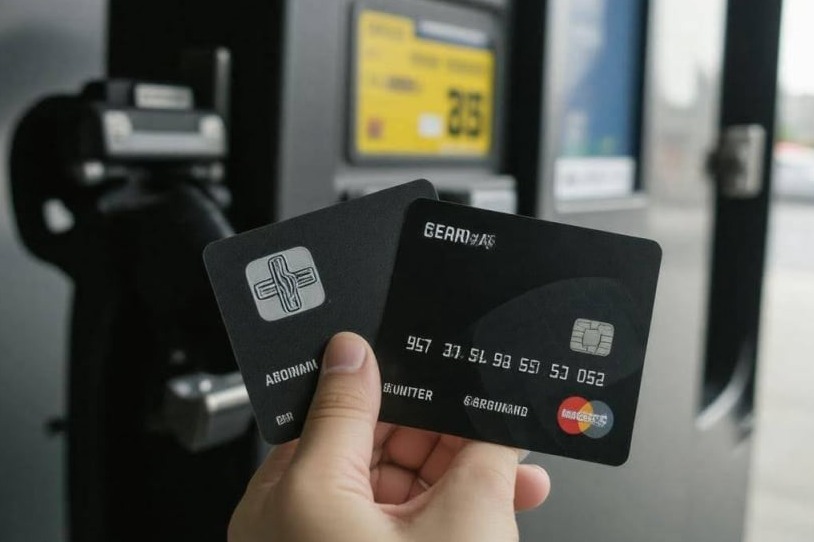
Tips for Choosing the Right Card

To start, it's vital to assess your fuel needs. Every business operates differently; some might have a fleet of heavy-duty trucks that guzzle gas, while others use compact vehicles that are more fuel-efficient.

Taking a close look at your average fuel consumption is essential. For example, if you determine that your business spends about $12,000 annually on fuel across multiple vehicles, you might want a card that maximizes rewards on high usage, such as cash back or points for travel. Alternatively, if your company consumes less fuel, focus on cards that offer better discounts per gallon instead. 

Once you've figured out your average fuel consumption, it's time to compare features and costs among different fuel cards.

Not all cards are created equal. Some come with enticing rewards programs that could save your business money, while others may lack these benefits. While comparing features, look specifically for rewards structures and any additional tools for expense management.

Cards like the American Express® Business Gold Card can fetch up to 4X points at U.S. gas stations, while others might offer straight cash back on every purchase. Don’t forget to investigate transaction fees; some cards charge annual fees that can eat into your savings. Understanding both the costs and potential benefits will help you choose wisely.

After narrowing down options based on rewards and fees, you should check for compatibility.

Ensuring that your chosen fuel card is widely accepted at gas stations used by your fleet can save significant hassle during those all-too-frequent fill-ups. Acceptance matters immensely—look for cards that boast partnerships with major gas station chains, ensuring you're never caught off guard in an unfamiliar area or struggling to find a gas station that accepts your card.

This consideration saves time and avoids unnecessary headaches when fueling up. 

  • Evaluate average fuel consumption across your fleet.
  • Compare various rewards and discounts offered by different cards.
  • Check compatibility with commonly used gas stations in your area.
  • Consider any added administration and reporting features which allow for easier tracking of fuel expenses.

By taking these thoughtful steps to fine-tune which card best fits your fuel needs, you are setting yourself up not just for savings but also for streamlined expense management tailored to how your business operates.

In the ever-evolving landscape of fuel management for small businesses, making an informed choice on the right fuel card can yield both financial and operational advantages. 

© Copyright 2025 Business Gas Cards- All Rights Reserved