| Card Type | Annual Fee | APR | Late Fee
|
|---|
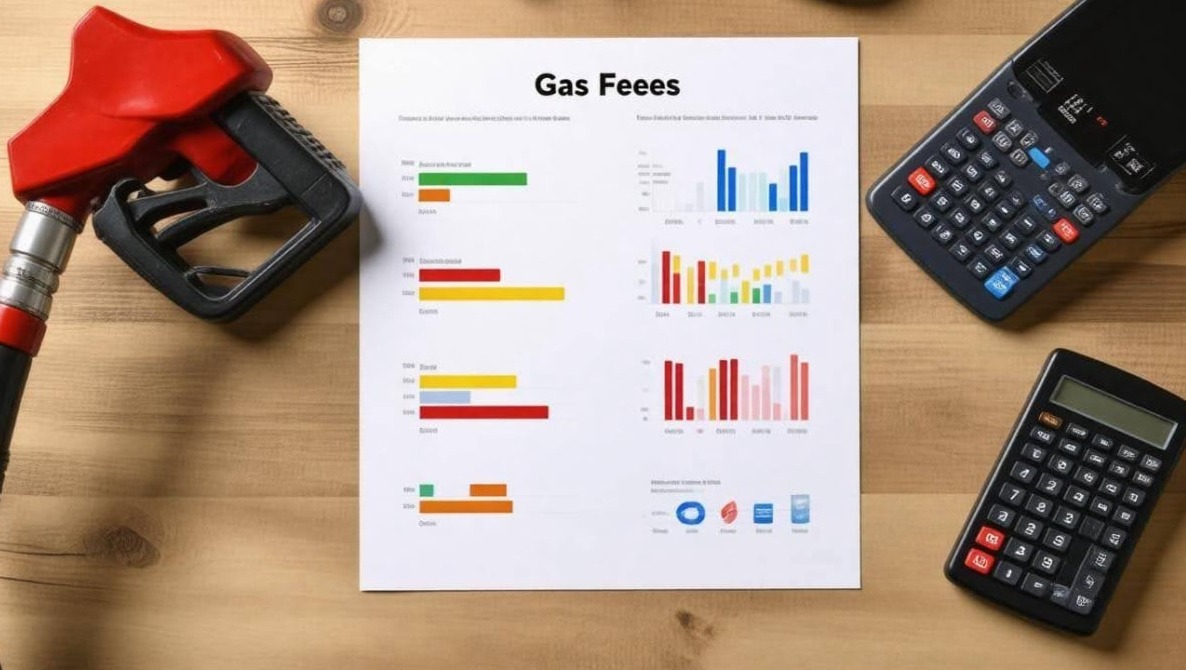
| Standard Gas | $0 | 15% - 25% | Up to $40 |
On the other hand, credit cards present a broader spectrum of potential fees, requiring a more detailed evaluation.
With credit cards, you encounter various fees that can significantly affect your wallet over time. While some offer rewards and benefits that justify their costs, others come with hidden pitfalls that can negatively impact your budget. Annual fees can vary drastically—from $0 up to $500, depending on the card's offerings and exclusivity. Furthermore, balance transfer fees and foreign transaction fees often add another layer of expense that could catch users unawares.
Perhaps most critical is understanding the interest rates, particularly in the event of cash advances. Credit card APRs can be substantially higher for cash advances than for regular purchases, sometimes exceeding 25%. This can lead to high costs if you're not diligent about repayment.
Evaluating these fees side by side creates clarity in navigating through both gas cards and credit options, ensuring your financial strategy is aligned with your business needs.
An effective comparison of rates equips consumers with better insight into managing spending based on their lifestyle needs. If you regularly utilize fuel rewards but want flexibility in your overall purchases, pay keen attention to this section as you weigh your options. This knowledge empowers you to make informed decisions while steering clear of pitfalls associated with high fees and steep interest rates.
As we explore further, it's important to consider specific strategies that will guide your overall decision-making process when selecting the ideal card for fuel expenses.
How to Choose the Best Card
Choosing the ideal card isn't just about picking one that sounds good; it involves understanding your specific spending habits and how those align with the card's rewards. Knowing what you spend on fuel each month helps you tailor your choice more accurately. If you're on the road frequently or have long commutes, calculating your monthly fuel expenses can be enlightening. Keeping track of these numbers over a few months provides a clearer picture of where your money is going.
Once you've assessed your spending patterns, the next crucial step is to compare potential savings and rewards from both gas cards and credit cards. Gas cards typically offer higher per-gallon discounts at specific stations, which could yield substantial savings if you frequent those locations. However, remember that limited flexibility comes with them—they often tie you to certain stations, which can be inconvenient.
In contrast, ***credit cards*** provide versatility that many consumers find appealing. Many offer attractive reward points not just on gas purchases but also in other categories like groceries or dining out. For example, some cards might give you 3% cash back on gas while also offering rewards on travel or food purchases, making them more beneficial if you diversify your spending.
It's important to match the card’s reward structure with your lifestyle needs for maximum benefit.
Now, let's consider a tangible scenario: If you find that your family consumes significant amounts of gas every month due to errands or travel, opting for a gas card may seem advantageous at first. However, if you're someone who balances out their monthly expenses with several categories—like food shopping or entertainment—a versatile credit card might work better for you in the long run.
Evaluate Your Spending Patterns
To make an informed decision, break down your analysis into four helpful steps:
- ***Analyze Monthly Fuel Expenses***: Track how much you're spending on fuel over a month or two. Use a simple spreadsheet if needed.
- ***Compare Savings***: Look at different cards side-by-side based on their cash-back percentages and fees. A quick glance can reveal which offers are truly beneficial.
- ***Assess High Expense Scenarios***: If your fuel costs soar due to travel plans or lengthy commutes, gas cards with robust discounts could provide instant relief at the pump.
- ***Consider Holistic Rewards***: For consumers who prefer variety in their earnings, evaluate credit cards that offer diversified rewards that might include airline miles or larger grocery discounts alongside gas savings.
While understanding spending habits is essential in making a financial choice, factors such as customer service and user experience can significantly impact your overall satisfaction with any card selected.
Key Consumer Considerations
Several factors come into play when choosing the right card, each capable of significantly impacting your financial health. First and foremost is your ***financial health and credit score***. Your credit score not only determines your eligibility for various credit products but also influences the interest rates you'll encounter. This can be especially true for credit cards, where a higher score can translate into lower rates and better rewards.
Interestingly, it's wise to check your credit report before applying for any card, as this ensures you're aware of any discrepancies that might affect your application. Just like a doctor wouldn't prescribe treatment without first examining a patient, you shouldn't apply for credit without understanding where you stand financially.
As we navigate these considerations, it's crucial to evaluate the trade-offs between flexibility and control.
When it comes to ***flexibility versus control***, every consumer's needs vary. Credit cards often provide unparalleled versatility: they can be used anywhere that accepts them, from coffee shops to retail stores. This broad usage benefits those wanting to earn rewards across various categories such as travel or dining alongside fuel expenses.
However, this flexibility can come at a cost; there may be less oversight over your spending. Conversely, gas cards shine in providing dollar-for-dollar control over expenditures. They allow you to set specific limits tied directly to fuel and maintenance costs related to vehicles, helping prevent overspending on less essential purchases.
In addition to flexibility and control, let’s not ignore another crucial aspect.
The ***rewards structure*** invites deeper scrutiny in whichever option you choose. For instance, gas cards often feature specific incentives tailored toward fuel purchases—this contrasts with traditional credit cards that offer tangled rewards systems spanning multiple categories. While cash-back offers generally hover between 1% and 5% for credit cards on fuel purchases, many gas cards provide savings far exceeding those rates per gallon—paying perhaps *$0.15 to $0.25 less per gallon* at the pump depending on the station affiliation.
These immediate savings could accumulate quickly for frequent drivers who fill up regularly.
Furthermore, an important factor often overlooked is expense tracking.
Expense tracking becomes a pivotal element of the decision-making process too. Fuel cards inherently allow for separate tracking of diesel and maintenance expenses from other business expenditures—a feature critical for fleet managers or business owners aiming for detailed insights into transportation costs.
In contrast, while credit card statements show all types of expenditures in one place, this can muddle up figures making it challenging to pinpoint gas-related expenses amidst other purchases—similar to searching for a needle in a haystack when attempting to manage budgets effectively.
As we consider these aspects deeply, let’s reflect on specific examples that highlight how effectively managed spending can influence decisions.
Ultimately, the choice between a gas card and a traditional credit card boils down to individual priorities: Are you someone who frequently drives? Do you actively track specific expenses? Assessing these factors will guide you towards a decision that aligns best with both your lifestyle and financial goals—an informed choice that keeps your wallet happy and fuel expenses effectively managed over time.