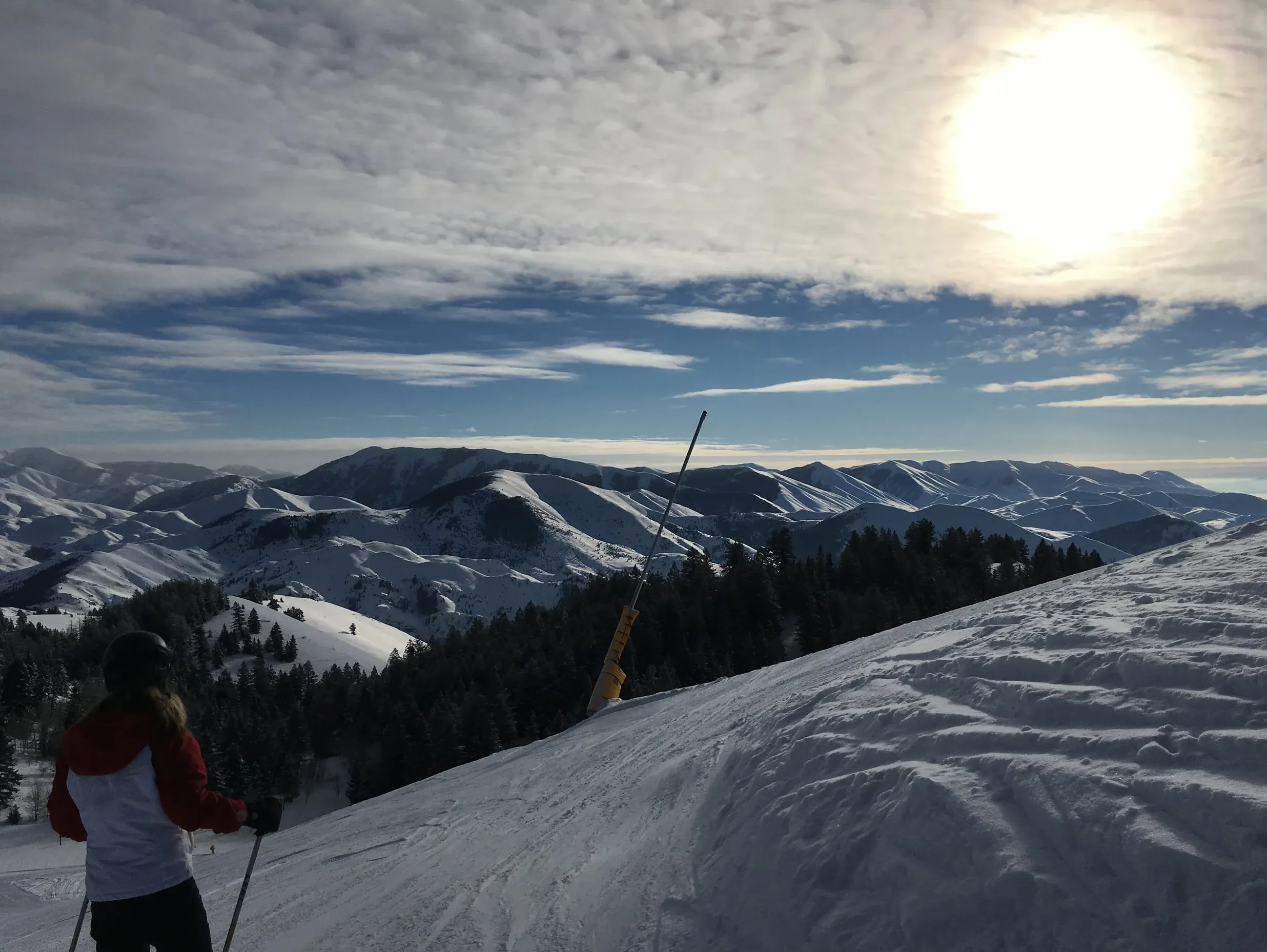
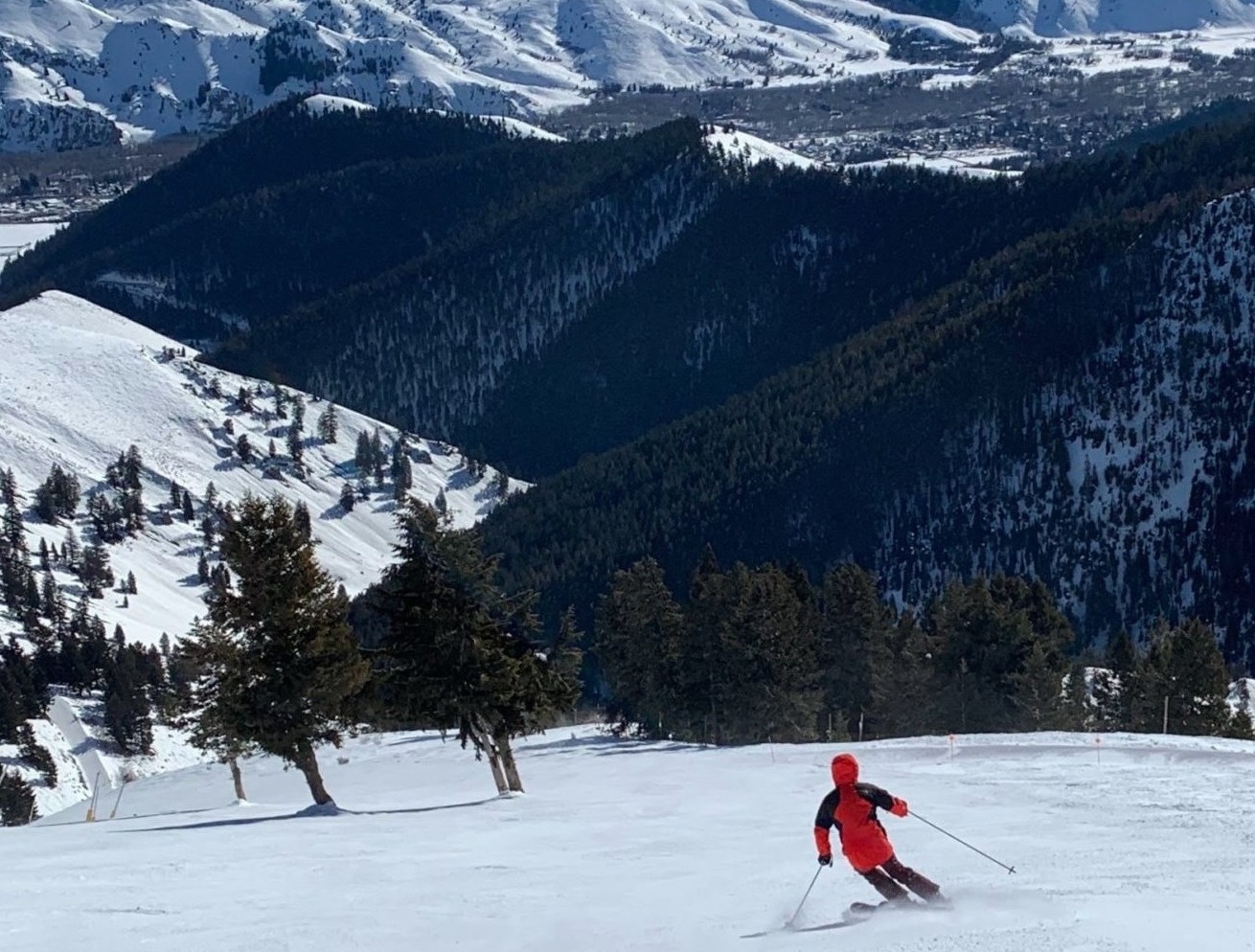
the average snowfall across different resorts can significantly affect how much fun you have on the slopes. Whether you’re a first-time skier or a seasoned pro, understanding snowfall statistics is essential for planning your perfect ski trip. In this article, we’ll break down the average snowfall in Idaho’s ski areas, highlight top resorts, and explore how these elements can impact your winter adventures. So grab your gear, including that necessary equipment, and let’s dive into what makes Idaho’s skiing scene truly special! Whether you're planning a cozy winter vacation with family or an adventurous backcountry escape, Idaho offers something for everyone.
Idaho ski areas report varied average snowfall, with Grand Targhee leading the way at approximately 500 inches annually, while other notable resorts like Tamarack and Schweitzer receive around 300 inches each season. It's important to consider that these figures can vary by year and may not always reflect the actual snow accumulation experienced at each site. Opt for rentals if you don't have your own gear—many resorts provide top-notch equipment rentals for your convenience.
With 18 ski resorts scattered throughout Idaho, each location presents a unique blend of characteristics that cater to both beginners and seasoned skiers alike. The average annual snowfall varies widely among these resorts, influencing the quality of the slopes and the overall skiing experience. For instance, Grand Targhee stands out with its remarkable average of 500 inches of snow per year, making it a dream destination for powder hounds. In comparison, Sun Valley, despite being one of the most iconic ski areas, offers a more modest 220 inches annually. With well-maintained chairlift systems, these resorts ensure you'll spend more time skiing and less time waiting, providing a smooth ride to the mountain peaks.
| Ski Resort | Average Annual Snowfall | Vertical Drop | Skiable Acres |
|---|---|---|---|
| Sun Valley | 220 inches | 3,400 feet | 2,154 acres |
| Grand Targhee | 500 inches | 2,270 feet | 2,602 acres |
| Schweitzer | 300 inches | 2,400 feet | 2,900 acres |
| Silver Mountain | 300 inches | 2,200 feet | 1,600 acres |
| Bogus Basin | 250 inches | 1,800 feet | 2,600 acres |
Facilities and accessibility also vary significantly between these resorts. For example, while Grand Targhee is celebrated for its pristine snow and extensive runs—over 90 runs total—Sun Valley compensates with well-groomed trails and charming amenities like cozy lounges and gourmet restaurants. This appeal makes Sun Valley a delightful destination even for non-skiers who want to enjoy the vibrant après-ski scene. Furthermore, many resorts offer skiing lessons, allowing both newcomers and those needing a refresher to learn and enjoy confidently.
Moreover, skiing conditions aren’t solely defined by snowfall; aspects such as terrain quality play an essential role too. While Bogus Basin has a respectable annual snowfall of 250 inches, its mix of family-friendly and challenging slopes ensures that it caters to all levels of skiers. This flexibility can be particularly appealing to families or groups with diverse skiing abilities looking for a shared experience on the slopes. Whether on a serene alpine trail or an exhilarating downhill race, Idaho's ski resorts are designed to satisfy every thrill-seeker's craving.
As you traverse through Idaho’s ski areas, it's important to keep in mind that weather patterns can affect snow conditions significantly from one place to another. Close proximity to mountains and geographical features means that some resorts may receive more snow due to localized weather systems. Therefore, always check current conditions before planning your trip. Planning a backcountry skiing adventure? Ensure you're informed about the specific conditions and terrain for a safe and enjoyable experience.
Understanding the factors affecting snowfall opens the door to exploring how different resorts measure and report these important statistics, ensuring you’re well-informed for your next snowy adventure. Remember, every well-planned ski vacation begins with knowledge, so use these insights to make the most of your time on the slopes.
Accurately measuring snowfall is crucial for skiers and snowboarders eager for the freshest powder. The methods used for measurement can vary significantly from one resort to another, ultimately influencing the data reported by ski areas.
One common method involves using snow stakes, which are fixed rods strategically placed in specific locations across a resort's terrain.These stakes measure the height of snow accumulation over time, providing a relatively straightforward way of assessing how much snow has fallen. They serve as visual indicators when you’re out on the slopes, guiding you to particularly good runs based on their coverage. For those seeking a thrill in the Nordic landscape, these tools are an essential part of planning an adventure filled with breathtaking views.
Another effective tool is the snow gauge. Think of it like a specialized rain gauge, but designed for snowy conditions. This instrument measures both snowfall and snow water equivalent (SWE), offering data about not only how much snow has fallen but also its moisture content. For those who care about water resources—or simply enjoy discussing snow conditions at a lodge with friends while planning the perfect winter weddings—understanding SWE is crucial. Lodging options often provide plenty of opportunities for cozy retreats and rich conversations about skiing conditions.
These instruments collect data that informs us about skiing conditions, helping enthusiasts plan their trips better and ensuring businesses can operate efficiently during peak seasons. Acquiring tickets for these winter escapes becomes more strategic with this data at your disposal.
However, challenges can arise due to variations in measurement techniques across different resorts. Some might report snowfall solely based on data collected from mountain peaks, where the accumulation is often higher than in lower elevation areas. This can lead to inflated averages and competition among resorts boasting remarkable snowfall figures.
For instance, while a resort might claim an impressive average snowfall, what does it really mean if most of that measurement comes from just one high point? Therefore, it's vital for skiers and enthusiasts alike to cross-reference multiple sources for a more accurate understanding.
As you plan your ski trips, consider checking snowfall data from various platforms, including official ski area reports and user-generated inputs on forums like Reddit or specialized ski websites. This will allow for balanced decision-making when selecting a destination based on snowfall statistics, ensuring you choose the right tickets for your desired experience.
Remember that while numbers are helpful, personal accounts and current conditions shared by other skiers provide additional context that mere statistics can't capture. The joy of discovering unexpected thrills or witnessing stunning views enriches the entire adventure.
With this understanding of how snowfall is measured, let’s explore how snow depth varies by elevation and its impact on skiing experiences. Enjoying a Nordic landscape becomes all the more rewarding when one can predict where the best conditions align with their thrill-seeking nature.
The relationship between elevation and snowfall is both fascinating and critical for skiers planning their winter adventures. In Idaho, as you ascend into the mountains, the snow tends to accumulate more generously due to several atmospheric factors, including temperature and moisture content in the air.
Higher elevations generally provide cooler temperatures which allow snow to fall and remain without melting, while lower elevations may experience warmer weather that can lead to rain instead of snow. This variability can result in significant differences in snowfall amounts even among neighboring ski resorts.
For instance, take Grand Targhee Resort, perched at an impressive elevation of 9,580 feet, where it receives a whopping average of 500 inches of snow annually. This abundant snowfall is largely due to its positioning within weather patterns that funnel moisture-laden clouds into the area, making it a prime location for those seeking out quintessential Nordic views.
On the flip side, Soldier Mountain Ski Area, located at a much lower elevation of 7,177 feet, sees an average of only 100 inches per year. This comparison highlights how crucial elevation is when it comes to predicting snow conditions; understanding this can significantly impact your skiing experience, as well as your choices for lodging and thrilling activities.
Furthermore, regions with varying elevations also tend to have distinct microclimates. This diversity in weather conditions offers plenty of prospects for unique and memorable skiing sessions, each promising a different perspective on the exquisite landscape.This means two areas could be just a few miles apart yet experience vastly different weather conditions simply based on their altitude. Skiers should be mindful of these dynamics when planning trips because lower-elevation resorts might not open until later in the season or might have limited snow coverage due to warmer temperatures. Options like Bald Mountain, Magic Mountain, and Pebble Creek each offer unique experiences based on their respective elevations and snowfall patterns.
To maximize your skiing enjoyment, always check the current conditions before heading out. Having access to essential statistics like snow depth, number of open trails, current lift status, and date of last snowfall ensures that you make informed decisions about where you want to ride those winter slopes. Webcams placed around the resorts provide real-time visuals, adding another layer of insight. Understanding how elevation impacts snowfall isn’t just interesting; it’s vital for effectively planning your ski trips in accordance with what's most favorable for skiing and snowboarding conditions.
By keeping an eye on elevation statistics alongside the overall forecast, skiing enthusiasts can optimize their experiences on Idaho's beautiful mountains during the snowy season. Whether you plan to ski at Magic Mountain or take on the challenges at Pebble Creek, there's a course suited for everyone. To gain further insight into how these elements play a role in your skiing adventures, let's explore how varying snow conditions can directly affect your time on the slopes.
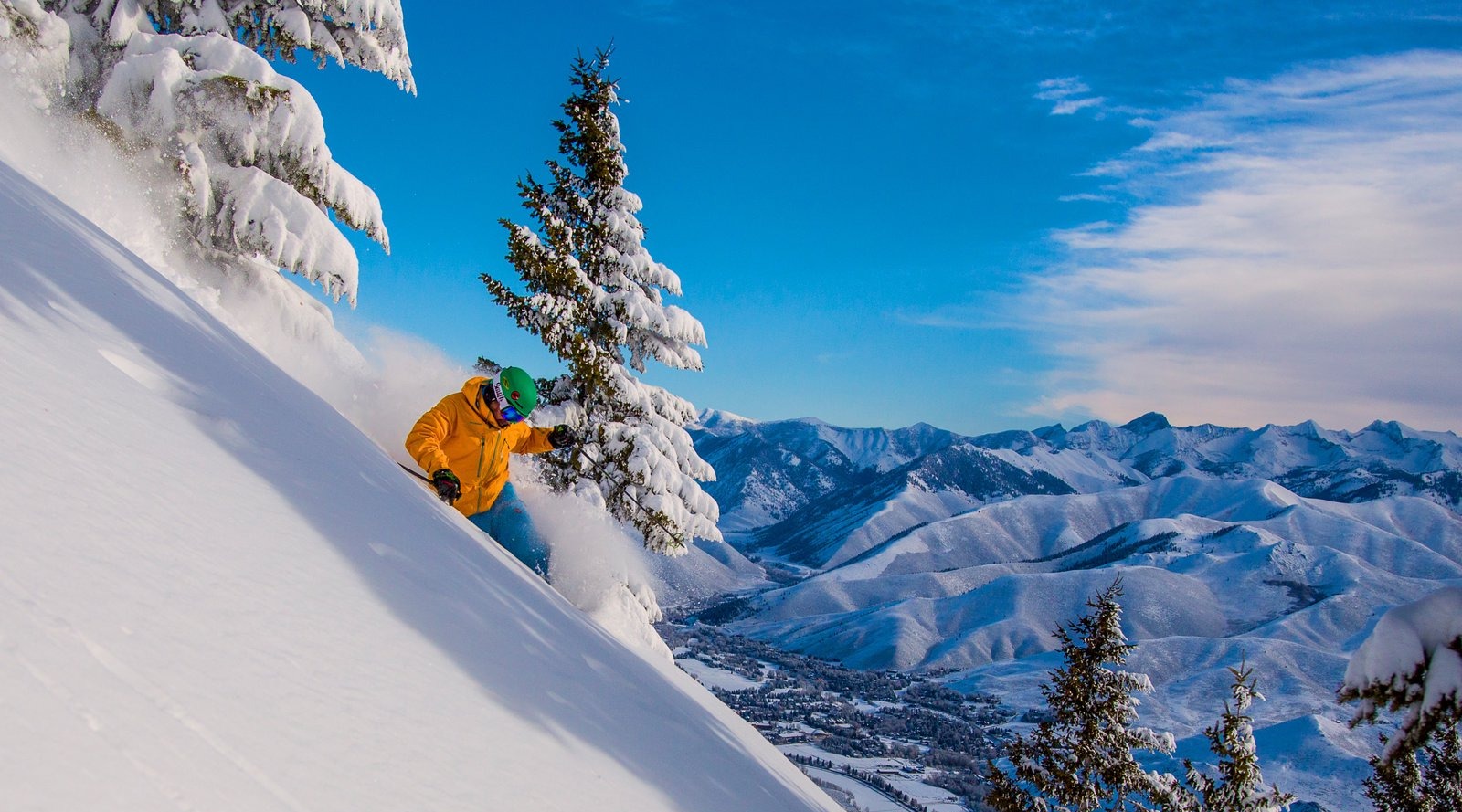
The relationship between snow types and skiing performance cannot be overstated. Each snowfall brings its own unique texture and quality, heavily influencing how well skis will grip the surface and how smoothly one can glide along the trail. For instance, fresh powder, often described as light and fluffy, creates an almost dreamlike skiing experience. This type of snow allows skiers to float above it rather than struggle to push through. Carving your way through untracked powder feels liberating and exhilarating for everyone seeking that magical sensation.
However, this isn’t just about comfort; it's also a matter of control. Fresh powder tends to shift underneath you, leading to varied resistance that can catch less experienced skiers off guard. On the other hand, packed snow—which often results from grooming efforts at ski resorts—offers a firm surface that provides stability, making it easier for beginners to learn skills like turning and stopping.
The distinction between different types of ski areas based on their snow conditions is noteworthy.
For example, Brundage Mountain Resort is widely recognized for its superb powder conditions. With an annual snowfall average that attracts snow enthusiasts from all over, it routinely offers idyllic conditions suitable for deep-snow skiing. Skiing down those untouched glades can feel like pure bliss for those equipped with the requisite skills. In contrast, Sun Valley benefits from meticulous grooming practices, which create more compacted surfaces throughout its trails. While some might prefer this condition for consistent turns, others seeking that soft powder feeling might leave feeling slightly unsatisfied.
If you're planning your skiing trip in Idaho, dining options should also be considered, as many resorts feature delightful venues for enjoying a meal after a long day on the slopes. Aligning your personal skiing style with the forecasted snow conditions can make all the difference. Checking reports not only about current weather but also about recent snowfall helps you pick the best destination for your desired ride. Always remember that great skiing experiences stem from knowing where to go.
Grasping how various snow conditions impact your experience can enhance your enjoyment on the slopes. So, plan your adventure wisely, taking into account all the exciting options available, and now, let’s explore further into the elements that shape these conditions throughout the season.Weather patterns are like silent puppeteers, influencing the amount and quality of snow that falls in Idaho's beautiful ski areas. Among the significant drivers of these patterns are the El Niño and La Niña phenomena. La Niña is known for amplifying snowfall, providing bountiful conditions for those eager to carve some fresh powder or even contribute to a thrilling snowboard session. In contrast, El Niño often brings warmer temperatures and reduced precipitation, resulting in drier winters that can dampen conditions at ski resorts. Being attuned to these climatic shifts can be a game changer when planning winter activities for all skill levels, from beginner to advanced.
Adding another layer to this dynamic interaction is Idaho's geographical makeup. The state's proximity to mountain ranges is crucial; mountains act as barriers that lift moist air from lower elevations, causing it to cool and condense into snow as it rises. This orographic effect results in higher snowfall amounts on the windward side of these ranges compared to the leeward side, leading to variability across different ski areas, such as those near McCall, a favored destination for its diverse offerings and scenic landscapes.
Localized wind patterns also shift how snow accumulates. For instance, an area sheltered from prevailing winds may experience less snow accumulation due to reduced moisture availability. Conversely, regions exposed to strong winds might see enhanced snowfall thanks to orographic lifting coupled with convection processes that lead to more intense snowfall events.
[QUOTE] “It's essential for skiers and snowboarders to recognize how these dynamics play out, ensuring that they’re well-informed about their local skiing conditions.” Furthermore, according to recent reports from the USDA NRCS, Idaho's snowpack remains above average due to persistent cold temperatures favoring snowfall instead of rain throughout winter months. Such impressive SWE levels recorded earlier this year peaked at over 150% of normal—demonstrating that snowfall consistency tells a story shaped by both geography and broader climatic trends.
With this knowledge about weather patterns established, we can now explore strategies for effectively preparing for the upcoming winter season ahead, including considering various lodging options to enhance your stay.
Effective planning not only makes your skiing or snowboarding experience enjoyable but also ensures that you take full advantage of the breathtaking powder that Idaho has to offer. Understanding when to hit the slopes is crucial, and this enhances the excitement. For instance, while January and February are typically celebrated as peak months with ample snowfall, it’s wise to keep an eye on trends, such as historical averages and emerging weather patterns leading up to your visit.
Historically speaking, these two months consistently deliver the best conditions, with January often receiving significant storm cycles that blanket the region with fresh powder. The cold temperatures during this time help sustain excellent snow quality—essential for both beginners and seasoned skiers alike who thrive on crisp carving turns. This isn’t just about enjoying a winter wonderland; it’s about optimizing your skiing experience by aligning with Mother Nature’s most generous offerings and ensuring that every drive to the ski areas is met with ideal conditions.
Historically speaking, these two months consistently deliver the best conditions, with January often receiving significant storm cycles that blanket the region with fresh powder. The cold temperatures during this time help sustain excellent snow quality—essential for both beginners and seasoned skiers alike who thrive on crisp carving turns. This isn’t just about enjoying a winter wonderland; it’s about optimizing your skiing experience by aligning with Mother Nature’s most generous offerings.
After selecting your ideal timeframe, let's explore how to book your trip wisely.
Next comes the booking phase. Early reservations can unlock incredible deals; popular resorts may fill up quickly during peak season. I cannot stress enough the importance of flexibility when it comes to travel dates. Consider choosing a few days in advance or after your initial planning window, allowing yourself the chance to catch those magical snowfall moments. Websites often provide fantastic insights regarding current mountain conditions, and taking advantage of these resources—real-time data—will guide decisions effectively.
“Having a few backup trip dates can help you capitalize on sudden snowfalls,” shares longtime skier John Doe. This sentiment resonates with many winter enthusiasts who have experienced how quickly conditions can change.
With these strategies in mind, it's essential to stay informed right up until you're ready to buckle up those ski boots.
Finally, staying aware of any changes in weather predictions leading into your travel date allows you to adapt dynamically. Monitoring updates through local news stations or ski resort websites helps keep your plans aligned with optimal ski conditions. Having alternate routes or activities in mind can also enrich your overall experience if plans shift unexpectedly due to weather.
By weaving together careful timing, early booking strategies, and consistent vigilance regarding weather forecasts, you can better position yourself for an unforgettable skiing season in Idaho.
Incorporating these insights will not only enhance your skiing adventure but also ensure you don’t miss out on any fantastic snowy opportunities that Idaho has to offer.