Outer Layer
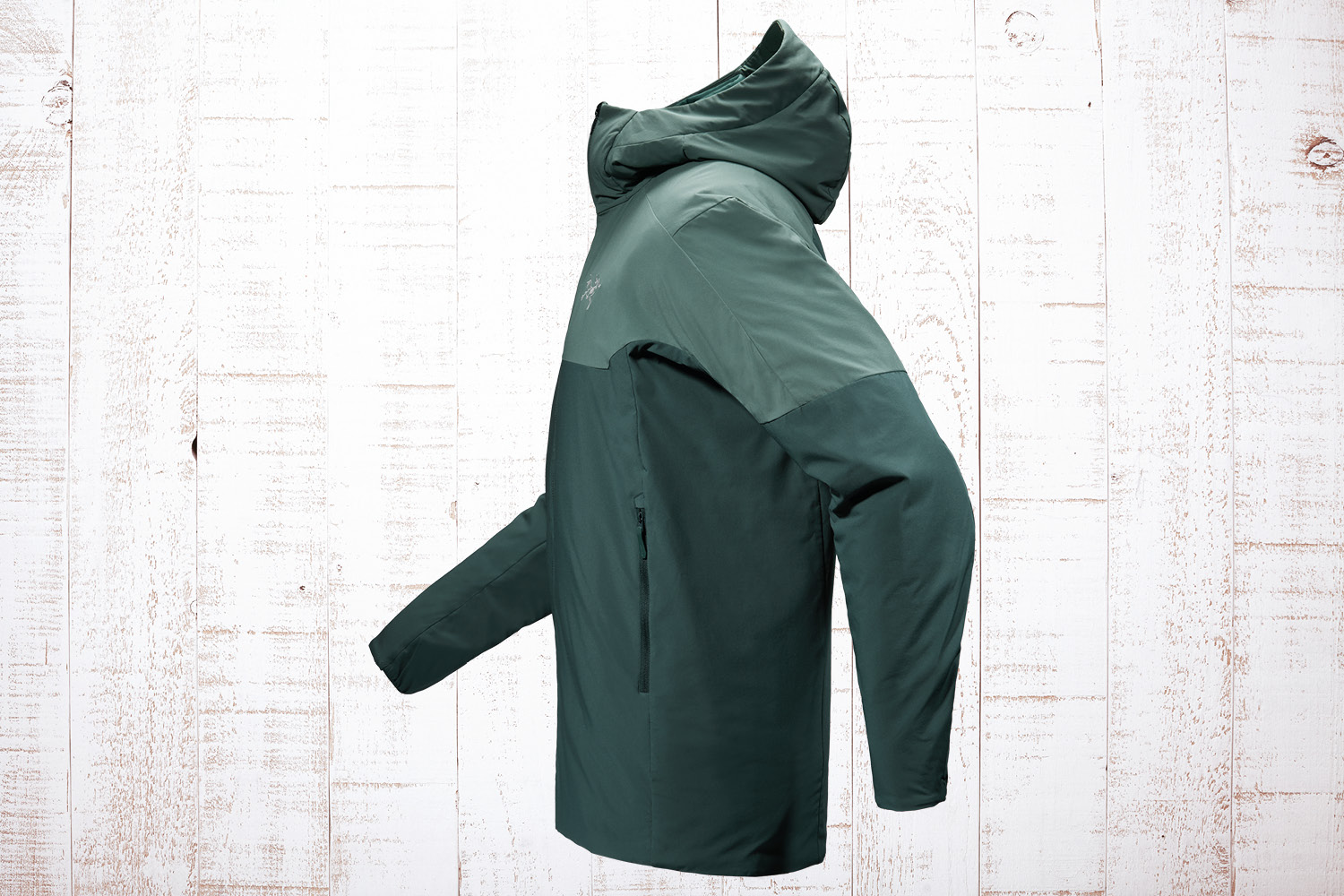
The outer layer serves as your first line of defense against harsh weather conditions—so choose wisely. Look for jackets and pants made from waterproof and windproof materials to ensure maximum protection from snow and moisture. The Arc’teryx Therme Parka is a standout choice, blending the sturdiness of a parka with the functionality of a ski jacket thanks to its waterproof Gore-Tex material and insulated goose down filling. Access to quality outer layers is as critical to ski safety as it is to the thrill of carving down the snow-capped mountains.Ensure that your outerwear has features like sealed seams and adjustable cuffs to keep everything snug and secure while you carve through powder, making each ride down the trails more enjoyable. Whether you’re skiing at the iconic slopes of Bogus Basin, the thrilling steeps of Magic Mountain, or the diverse terrain of Pebble Creek, the right gear ensures happiness for everyone involved.
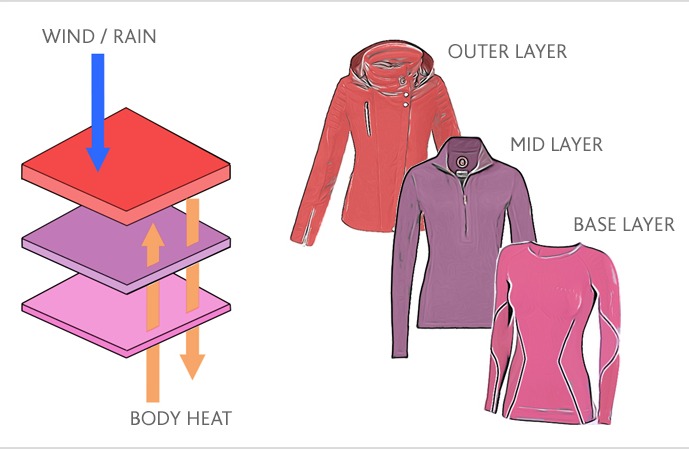
In this layering system, remember that each layer plays a complementary role: moisture-wicking from the inside out, insulation holding heat in, and an outer shell keeping harsh weather out. These layers become crucial when you're navigating through the breathtaking scenery of regions like the Sawtooth Mountains.
With these layers in place, you're set up for success on the slopes, ready to tackle whatever winter throws your way and make the most of your time at the resort. Let’s explore what makes an ideal protective jacket for those chilly adventures ahead, especially when planning a vacation filled with skiing and breathtaking mountain views accompanied by vibrant apres-ski music that amplifies the mountain experience.
Choosing the Right Ski Jacket
Selecting a ski jacket is not just about style; it’s an essential decision that impacts your performance on the slopes. A good jacket offers protection against the elements—wind, snow, and cold temperatures—while also allowing you to stay comfortable throughout your day of skiing. When you're hurtling down a mountain, after stepping off the chairlift, the last thing you want to worry about is whether your jacket will keep you dry or warm. The exquisite landscape of snow-covered peaks should be the only thing capturing your thoughts as you glide downhill.
Waterproofing and Breathability
One of the key features to look for in a ski jacket is waterproofing. You’ll want a jacket that boasts a high waterproof rating to ensure you stay dry, especially during unexpected snow showers. A rating of 10,000 mm or higher is generally considered ideal in ensuring that moisture doesn't seep through. However, while some brands promote impressive numbers, remember that materials like Gore-Tex offer unparalleled waterproofing and breathability, blending high functionality with comfort. This allows you and your family to enjoy your time in the mountains without concern, ensuring that your winter adventure is as enchanting as the view from the peak.
Similarly important is breathability. When you're actively skiing, whether engaging in nordic skiing or other styles, your body generates heat. If heat and moisture can't escape properly, you'll quickly feel uncomfortable. Aim for a breathability rating around 10,000 g/m²/24h. This allows excess heat and moisture to ventilate out without letting cold air in from outside, providing an optimal microclimate beneath your jacket.
Beyond these basic specifications, it's equally important to consider additional features that enhance overall comfort while skiing, ensuring every moment of your vacation is relaxing and enjoyable.
Look out for ventilation options such as pit zips, which are small zippers placed under your arms. They allow extra airflow on warmer days or during intense runs, helping you maintain an even temperature without feeling stuffy inside your jacket. Some jackets also have mesh-lined pockets, allowing them to double as ventilation sources when needed.
While there are many excellent options on the market, jackets like the North Face Thermoball Eco Snow Triclimate stand out because they provide interchangeable layers for maximum versatility while maintaining solid waterproofing properties. Jackets like this ensure you can adapt to fluctuating weather conditions: wear just the outer shell during milder days or add insulation when temperatures drop.
This adaptability is key if you're taking on various mountains across different regions from the serene slopes of Sawtooth Mountains to the exhilarating thrills of Magic Mountain.This flexibility is perfect for families who want to experience various skiing activities or explore the majestic views offered by the landscape, particularly in stunning locations like McCall, Albion, and Sandpoint. Each of these places offers unique terrains and accommodations that cater to families on a skiing adventure, ensuring that everyone can find something to enjoy.
Investing in a quality ski jacket is an opportunity to enhance not only your comfort but also your performance on the slopes. Each element—waterproofing, breathability, and additional features—should work in harmony to keep you warm and dry so you can focus entirely on enjoying the thrilling experience of skiing down the mountain with family, surrounded by the serene beauty of the landscapes, possibly through serene glades or tree-lined routes.
As we navigate through essential gear for winter sports enthusiasts, let's turn our attention to key protective items that safeguard vital areas during those exhilarating descents, ensuring that every aspect of your family vacation is cherished, perhaps in the entertainment hub of nearby ski towns that offer activities beyond the slopes.
Protective Gear: Head and Hands
When you're out on the slopes, it's imperative to maintain body heat, especially in your extremities. Your head is a major area from which you lose warmth due to its high surface area relative to mass. Therefore, investing in proper equipment here pays off significantly. A properly fitted ski helmet does more than shield your noggin from impacts; it also retains body heat effectively. Notable brands such as Smith Optics and Giro provide helmets equipped with built-in ventilation systems that regulate airflow, minimizing overheating when you're racing down a hill, perhaps on the side of a mountain in Sun Valley or even the charming slopes of McCall.
Now, add a moisture-wicking beanie or balaclava underneath your helmet. This serves two purposes: keeping your head warm while actively pulling moisture away from your skin, so you remain dry during vigorous activity. Look for options made from synthetic blends or merino wool, as these materials offer superb temperature control and comfort. Whether you're exploring the ski area in Sun Valley, Idaho, or other destinations like Albion, staying snug is key.
Helmets and Beanies
But why stop there? What's under your helmet matters just as much as the helmet itself. A snug yet comfortable fit is essential since it can prevent cold air from sneaking in and robbing you of warmth. Balaclavas provide full neck coverage, further shielding you from icy gusts. Imagine attending winter weddings in picturesque locations like Sun Valley and needing your gear for the journey, with accommodations that allow you to relax after a day on the slopes.
Moving on to our hands, let’s discuss how to keep those frigid fingers nice and toasty.
Gloves and Mittens
Insulated and waterproof gloves or mittens are non-negotiable when skiing in cold weather. While both serve the purpose of protection, mittens tend to outperform gloves because they allow your fingers to share warmth. When bundled together, they create an insulating pocket of heat that will stave off frostbite better than traditional gloves can manage. For optimal warmth on the mountain, consider using Hestra Heli Ski Gloves, well-known for their durability and thermal capabilities. Whether you're skiing or just checking Sun Valley’s webcams for updates, having the right gear is vital.
If mittens pique your interest instead, I highly recommend the Black Diamond Mercury Mitts. These are specifically designed for extreme cold conditions and will keep your hands comfortable during long hours outside. Additionally, remember that functionality incrementally improves with layering; a thin pair of moisture-wicking liners beneath either gloves or mittens adds a layer of insulation without compromising dexterity. Whether you're navigating through the serene glades of Sandpoint or simply enjoying the entertainment options each unique skiing destination offers, having the right gear ensures a comfortable and enjoyable experience.
Investing in high-quality headgear and handwear sets the stage for an enjoyable skiing experience by ensuring you're well-protected from the elements. Each piece works harmoniously to help maintain warmth while providing essential support against harsh winter conditions on the slopes. In a ski resort that boasts generous snowfall and accommodating chalets, it's vital to stay protected. Now, let's examine how to protect your feet effectively during your alpine adventures.
Footwear: Socks and Boots
Cold and wet feet can quickly dampen any ski outing, making it essential to start with the right socks. Moisture-wicking, insulated ski socks not only keep your feet warm but also dry, allowing you to focus on enjoying your time on the mountain. Among the options available, merino wool blends stand out due to their remarkable temperature-regulating properties. The Smartwool PhD Ski Medium Socks, for instance, are praised for their cushioning and durability, ensuring that you receive support and warmth even during long hours on the slopes.
But once you've got those socks settled, the conversation naturally moves to ski boots, which play an equally crucial role in keeping your feet comfortable and secure. After a satisfying day on the slopes, guests will be keen on experiencing additional activities such as tubing, adding yet another layer to your ski trip’s life-enriching adventure.
Ski Boots
Properly fitted ski boots are more than just an accessory; they’re essential for performance and safety while skiing at any ski resort. A well-fitted boot should provide a snug fit around your foot and ankle without cutting off circulation or inducing discomfort. Thankfully, brands like Salomon and Atomic offer innovative options featuring customizable liners. This means that you can adjust your boots for an exact fit that caters specifically to your foot shape. Comfort translates directly into control on the slopes, allowing for more fluid movements and better responsiveness while skiing, ensuring you have plenty of time to enjoy some après-ski dining or use your lift tickets as you explore the breathtaking landscapes of Idaho's ski areas. Additionally, if your ski adventures tend toward extremely cold conditions and you find yourself prone to chilly feet, consider investing in boot heaters. These devices provide additional warmth but do check compatibility with your specific model of boots before purchase; not all heaters work universally. When skiing near Boise, especially on Bald Mountain, ensuring your feet are warm adds to the comfort of enjoying the region's diverse amenities, which might include staying in beautifully appointed chalets or riverside cabins.
Also, remember that when selecting ski boots, looking for features like a flex index between 90-100 is ideal for intermediate skiers. This range provides a balance that allows for both comfort and refined control while maneuvering through various terrains suitable for different skill levels, from beginners to advanced skiers.
Striking a balance in your footwear choices is vital in preparing for cold weather skiing. With appropriate socks and boots in tow, you're setting yourself up for comfort and performance on the slopes ahead! This lays the groundwork for further discussions on how layering your clothing effectively will enhance your overall skiing experience, whether you choose to stay in one of the nearby lodging options or travel back to Boise, taking with you memories of the remarkable escapade life offered on the snowy mountain.
Mastering the art of layering goes beyond simply putting on a few clothes; it’s about finding the right combination that works for your body and activity level. The three-layer system is a popular technique among skiers, as it provides a balance between insulation and breathability while accommodating a variety of weather conditions and physical exertion levels.