Researching Providers
Start by gathering information on various providers through online reviews and testimonials from similar businesses. This can include visiting forums or checking trade publications that focus on the fleet management industry. Look for insights on how easily other companies have implemented each provider’s solutions into their operations. Active user feedback often sheds light on what you might expect should you choose the same service.
“Understanding user experiences can illuminate potential benefits and drawbacks that professional marketing may not reveal.”
Comparing Benefits
- Rebate Programs: Different providers offer varying rebate percentages, which translate directly into savings. If you're looking to cut costs, start by comparing these figures.
- Network Coverage: Check how many fuel stations are included in their network; some cards provide access to nationwide chains, while others function better for regional operations.
- Reporting Features: Investigate the reporting tools available—detailed analytics can help pinpoint spending habits and improve operational efficiency.
- Fraud Protection: Robust fraud detection measures are vital in safeguarding your finances and ensuring unauthorized purchases don’t slip through the cracks.
- Customer Service: Pay attention to how a company supports its customers, as this can be critical when navigating issues or inquiries about transactions.
It’s wise to think beyond just immediate needs as well. Features beneficial today may not align as well with your business operations six months down the line. Set clear criteria based on your company’s growth trajectory and how a particular provider fits into your long-term plans.
Case Study Example
Imagine a small logistics company that predominantly operates within a city—Fuelman's detailed expense tracking may serve them best, providing granular control over each purchase. On the other hand, a national trucking fleet might gravitate toward WEX because of its expansive network of fueling stations across metropolitan hubs and rural routes alike.
With this understanding of providers and their offerings, you're now ready to prepare for the next stage in securing your ideal fuel card.
Preparing for the Application
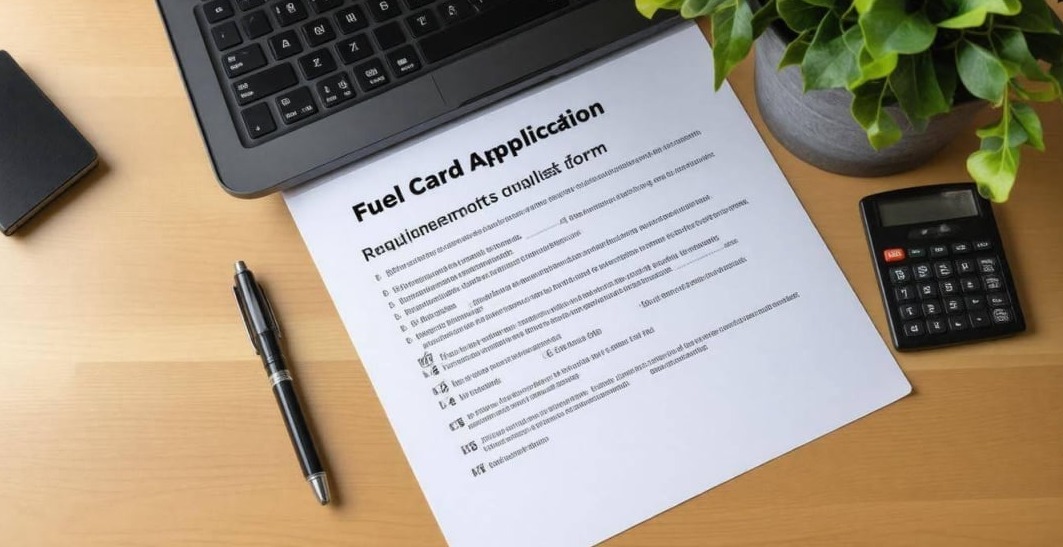
When you're ready to apply for a fuel card, it's crucial to organize your documents and information ahead of time. Having everything you need on hand not only streamlines the application process but also enhances the chances of approval. It's akin to packing for a trip; if you forget essential items, you'll end up scrambling last minute or even missing out entirely.
Gathering Necessary Documents
Start by collecting all necessary documentation. This includes your business licenses, which verify your legitimacy as a company, and a tax identification number for accounting purposes. Additionally, make sure to have information about your vehicles ready, such as registration details that confirm ownership and operational capability. Don't overlook personal identification, like your driver's license, since it's often required to link you directly to the accountable business entity.
Once you've gathered these documents, it's time to focus on your financial information.
Financial Information
Providers will frequently look into your financial history during the application process. This step helps them assess your creditworthiness and determine what kind of limits they can afford to extend to you. While some providers may set a minimum credit score—often around 600—others might be more lenient, making it easier for businesses with lower scores to secure a fuel card. However, it’s still smart to check your credit report before applying; ensuring there are no discrepancies could save you from a future headache.
Now that you've tackled the documents and reviewed your finances, let's move on to final preparations before submission.
Pre-Application Checklist
- Business Information:Gather essentials such as your company name, address, and contact details.
- Fleet Information:Know exactly how many vehicles you’ll be registering; this includes their types and usage.
- Financial Documents:Have recent bank statements and any credit reports ready to support your case.
With everything organized neatly in front of you, you're set to embark on the application process itself. The importance of each document cannot be overstated; they collectively present a comprehensive view of your company’s operations and needs while facilitating a smoother journey toward securing that fuel card.
Steps in the Application Process
Step I - Research and Choose Your Plan
The application starts with research, which is crucial for making an informed decision. It’s not just about filling out a form; it’s about understanding what you truly need. Visit the Fuelman website to explore various plans tailored for businesses of different sizes. For instance, their Enterprise, Pro, and Basic plans each offer unique features—from advanced analytics to basic spend controls. Take your time here; a thorough examination can save you both money and headaches down the line.
Step II - Fill Out the Application Form
Once you've selected a plan, it’s time to complete the application form. This form usually requires basic business information, including the name of your business, tax ID, fleet size, and your contact details. Make sure you’re accurate— even a simple typo can lead to delays in processing your application. Each detail matters because this information lays the groundwork for your account setup and fuels control systems. Remember that clarity counts; consider using tools or online references to verify any specific terminology if you get stuck.
Step III - Review and Submit
After filling out the form, don’t rush to hit “submit.” Take a moment to carefully review all the entered information. Mistakes might be small but can result in significant consequences like processing delays or misunderstandings later on. Cross-check every entry against your business documentation. Once satisfied, submit your application online—it’s typically quicker than mailing it in! If you do choose to send it via mail, note that this could extend your waiting time.
Follow Up
Following up is essential. After submitting your application, don’t hesitate to reach out to customer service for confirmation of receipt. A quick call or email can provide reassurance that everything is moving along smoothly and allow you to address any potential issues before they become roadblocks. Knowing that your application is in progress helps ease anxiety as you await approval.
With a clear understanding of the steps involved, it's now important to examine how the method of application—whether digital or traditional—can further impact your experience in securing a fuel card for efficient expense management.
Online vs. Offline Applications
When it comes to applying for a Fuelman fuel card, choosing between online and offline applications significantly impacts your experience and efficiency.
Online applications provide remarkable convenience; they can typically be completed from any device with internet access at any time of day or night. Imagine filling out an application while you’re on your lunch break or from the comfort of your home couch—it's that simple! Plus, these applications are often processed within 24-48 hours, so you won't have to wait long to find out if you've been approved. However, don’t overlook the possibility of technical glitches. While most online platforms are designed to be user-friendly, occasional issues may require assistance from customer support.
In contrast, some users prefer the offline method as it allows for a tangible record of their application process. For those who favor a personal touch or have questions that need immediate clarification, speaking directly with a representative can provide peace of mind. However, be prepared for a longer wait time; offline applications
can take 1-2 weeks just for processing alone. You’ll also need to consider the effort involved in gathering the required physical documents, which may slow things down even further.
Another aspect worth noting is how each approach handles documentation requirements. For online applications, many companies allow for digital uploads of necessary documents. This streamlined process saves you the hassle of photocopying and mailing papers. Conversely, offline applications usually require sending in hard copies, which adds an unnecessary layer of complexity and delay.
Understanding Approval Rates
Approval rates also differ somewhat between these two methods. Online systems generally use automated algorithms that lead to higher approval rates due to their efficiency. This means a faster turnaround for applicants compared to offline submissions, which often undergo manual review processes and may face additional scrutiny based on incomplete submissions or missing information.
Customer support can act as another distinguishing feature between modes of application. With online applications, assistance might be offered through live chat or email, leading to varied response times depending on volume. If you require urgent help or clarification during the application process, an offline method might provide quicker resolutions since you're interacting directly with a representative who can guide you through each step in real-time.
Evaluating these options sets the stage for understanding what criteria you'll need to meet as you consider opening up this beneficial avenue for managing fuel expenses.