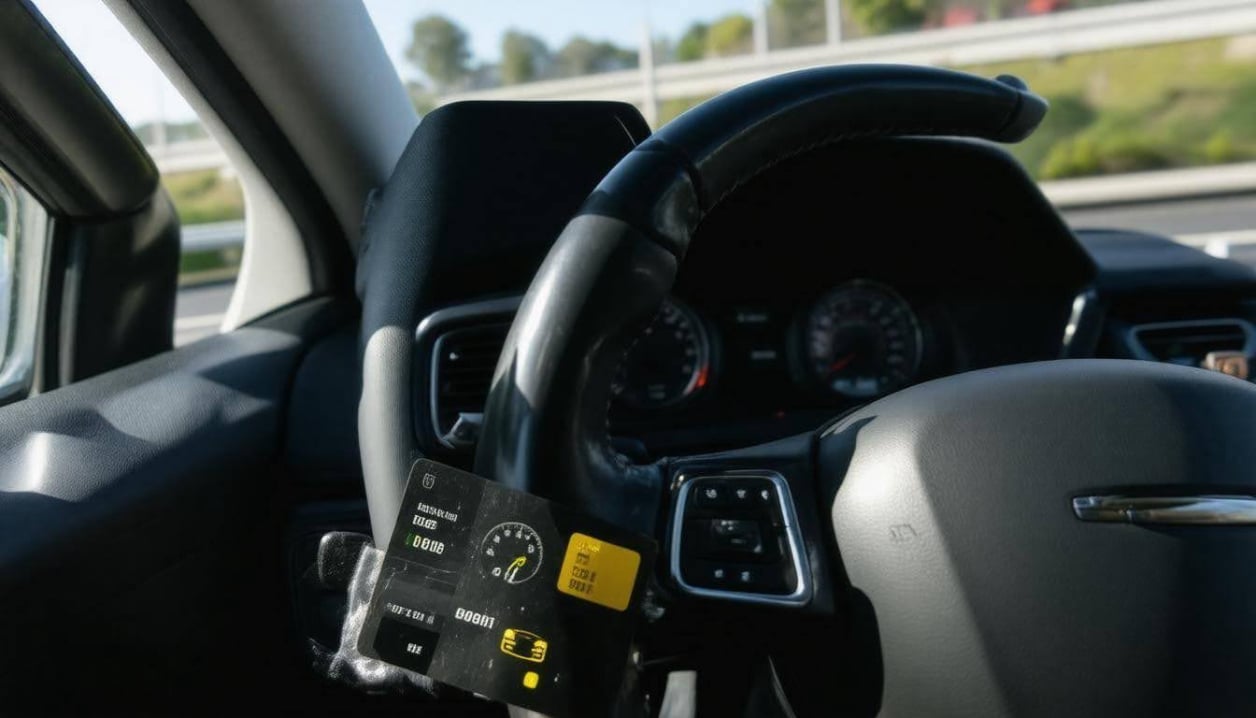
Fuel Cards: What They Are Used For and Their Benefits to Businesses

In the fast-paced world of business, managing a fleet can be a challenge, especially when it comes to keeping track of fuel expenses. Many companies find themselves drowning in paperwork while trying to monitor fuel usage efficiently. This is where fuel cards come into play as a game-changer for businesses. These handy tools streamline the way fleets purchase fuel, not only making transactions quicker but also providing valuable insights into spending patterns. Imagine never having to sift through piles of receipts again! With the right fuel card, you can simplify operations and make banking on fuels less of a headache. Let’s dive deeper into what fuel cards are all about, how they can benefit businesses, and what considerations to keep in mind when choosing the best one for your needs.

Painting School is dedicated to nurturing the creative spirit in every individual. Through expert instruction, hands-on practice, and a supportive environment, we help students explore their unique artistic voice.

What Are Fuel Cards?

A Wex Fuel Card, also called a fleet card, is more than just a tool for purchasing gas; it’s an extension of financial management tailored specifically for businesses with fleets. Designed for use at various gas stations, these payment cards allow drivers to fill up on fuel while enabling companies to maintain control over their fuel expenditures. Unlike regular credit cards, they integrate seamlessly with fleet management systems, providing features that are invaluable for tracking and managing operational costs.

The journey of fuel cards began in the mid-1980s when businesses faced challenges related to managing fuel expenses effectively. Initially, this meant recording transactions manually, leading to errors and inefficiencies. Fast forward to today, and technology has transformed these cards into sophisticated tools equipped with smart chips and capabilities for electronic processing like QR codes and near-field communication (NFC) payments. This evolution not only made transactions quicker but also significantly reduced fraud, bringing peace of mind to businesses. 
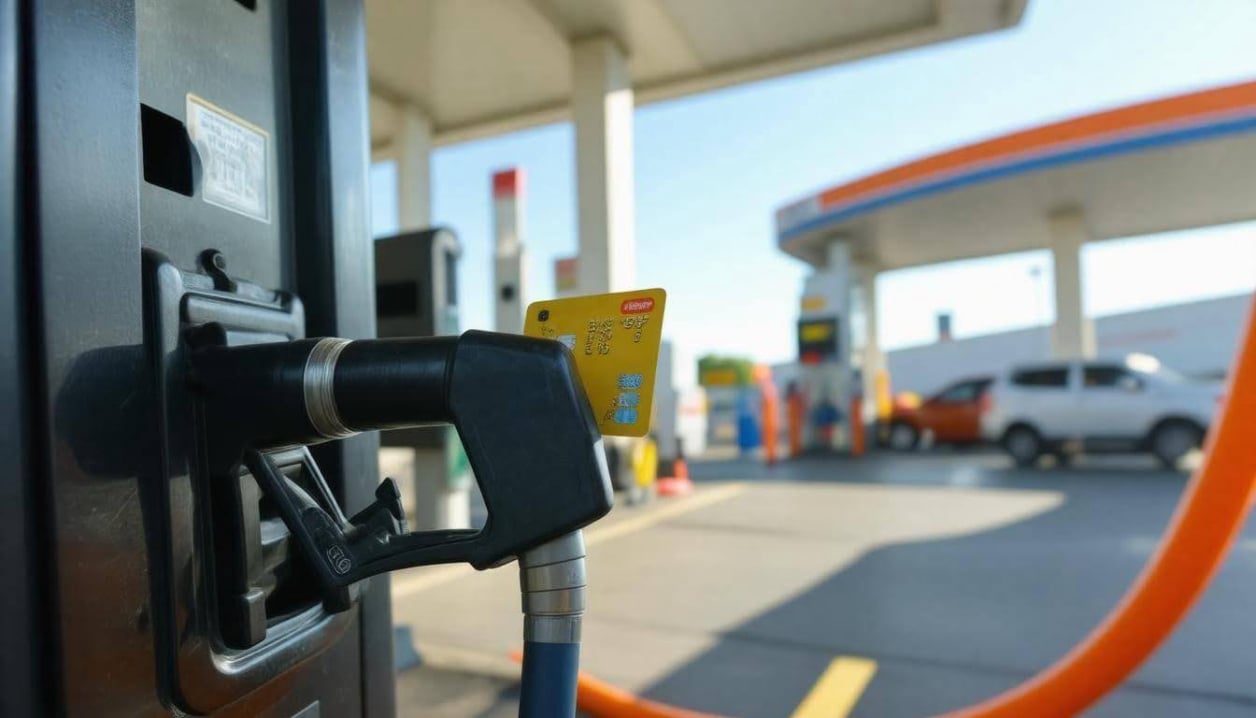
Fuel cards used by fleet drivers to manage gasoline and diesel expenses

Types of Fuel Cards

Today’s fuel cards come in different types:

  • Branded Fuel Cards: Issued by major oil companies such as ExxonMobil, Shell, or BP, these cards generally offer discounts within their networks while providing detailed reporting capabilities.
  • Universal Fuel Cards: Cards like Comdata and Fuelman can be used at various service stations, offering flexibility for fleets that travel extensively.
  • Merchant-Branded Cards: These result from partnerships between merchants and fuel companies (like CircleK or 7-Eleven) and provide specific perks or discounts at designated locations.

Knowing the various types of fuel cards is essential, but how they function is even more critical in the daily operations of a business. When a driver fills up their vehicle using a fuel card, the process works much like any standard credit card transaction—swiping the card at the pump allows for immediate access to funds tied to the company account. Besides granting quick payment processes, these cards also manage complex data related to each transaction automatically.
For businesses, this means eliminating paper receipts; every purchase is recorded electronically along with key information such as location and cost.

This centralization of expense tracking simplifies administration and allows fleet managers to generate accurate reports effortlessly. It assists them in monitoring spending patterns closely and identifying potential savings opportunities. Moreover, many fuel cards offer discounts on fuel purchases based on volume, which translates into significant savings over time.

All of these advantages collectively enhance efficiency within transportation-related businesses and make daily operations smoother. Gaining insight into how these payment tools work will further aid businesses in optimizing their fleet management strategies. 

How Fuel Cards Work

At their core, fuel cards operate much like traditional credit cards, yet they boast features tailored specifically for businesses managing fleets. When a driver uses a fuel card at a gas station, they swipe it just as they would a regular card. However, that's where the similarities end. The moment that card is swiped, a whole array of information comes to life in the background—this includes the amount of fuel purchased, the cost per gallon, location details of the station, and the exact date and time of the transaction.

Each transaction feeds directly into the card provider's system, which serves two main purposes: it processes the payment and begins compiling data for tracking expenses. This process occurs almost instantly, allowing fleet managers to monitor purchases in real-time and control spending effectively. 

Imagine having a bird's-eye view of each fuel event occurring in your fleet—this is precisely what fuel cards equip managers with. Transaction details can be organized into useful reports that help analyze fuel usage patterns across different vehicles or departments.

Multiple fuel cards for business fleet fuel tracking and expense management

Transaction Processing

Now, let’s examine how the transaction processing works. After the driver swipes their fuel card, the system checks if the transaction adheres to pre-set company policies regarding fuel types and spending limits. For instance, if a driver attempts to purchase premium-grade fuel that has not been authorized for their vehicle type, the transaction will be declined.

This level of control is invaluable because it ensures that expenditures remain within budget and align with company guidelines. Following approval, the transaction details become part of an electronic ledger that seamlessly integrates with fleet management software. This means there’s no need for drivers to keep physical receipts or worry about missing paperwork—the hassle of manual expense tracking is eliminated entirely.

The efficiency doesn’t stop at recording transactions; modern technology has also significantly influenced how these systems operate.

Today’s fuel cards leverage advanced technology such as smart chips and mobile payment options like QR codes and NFC (Near Field Communication). These innovations not only streamline payments but also enhance security measures compared to traditional magnetic stripe cards. Fleet managers can rest easy knowing that fraud risk is minimized thanks to these technological upgrades.

In fact, it's worth noting that many companies find they can save substantial amounts on fuel through discounts offered by specific networks when using these specialized cards. This savings potential alone often justifies the investment in implementing a fuel card program.

All these technical aspects come together not just for cost-saving but also aid significantly in operational efficiency—making life easier for drivers while providing clarity and control over spending habits for fleet managers.

Moving forward, we'll explore how leveraging these advancements can translate into tangible gains in productivity and resource management for organizations. 

Efficiency Gains for Companies

Fuel cards are revolutionizing the way companies manage fuel expenses, bringing forth a remarkable level of efficiency that wasn't possible before. Beyond just facilitating transactions, these cards allow businesses to leverage digital technology in tracking fuel consumption, leading to improved accountability and oversight.

By eliminating cumbersome paperwork and streamlining administrative tasks, fuel cards free up precious time for fleet managers who can now redirect their focus toward core business activities, rather than getting bogged down in mundane record-keeping.

To quantify this transformation, statistics show that businesses using fuel cards reported a dramatic reduction in administrative time—by as much as 20-30%. That means hours saved every week can be redirected toward strategic planning or enhancing customer service, which is invaluable in a competitive marketplace. Think about it: if your team spends less time on paperwork, they can concentrate more on what really counts in your business. 

Overview of fuel card benefits including savings and real-time reporting

Tracking and Reporting

One of the key advantages of fuel cards lies in tracking and reporting. Imagine having access to real-time data that provides insights into how much fuel is being consumed across your entire fleet. It’s like having a bird’s-eye view of your company’s fueling operations. Automated transaction logs compiled through fuel cards eliminate the hassle of manually recording each purchase, ensuring accuracy while simplifying tax reporting considerably. Compliance with the International Fuel Tax Association (IFTA) becomes a breeze, allowing fleet managers to submit necessary documents without wading through mountains of receipts.

This level of convenience brings forth significant cost savings, with companies reporting reductions in fuel expenses averaging 15-20%. Such savings stem from better monitoring and controlling of fuel usage—information that’s vital when making budgeting decisions.

Fuel management software associated with these cards integrates seamlessly with existing accounting systems, providing a clear picture of fuel expenditures that aids decision-making. These operational efficiencies contribute to stronger overall financial health for the organization by knowing precisely where their money goes.

The benefits stemming from the use of fuel cards can be succinctly captured: 

  • Automated fuel transaction logs eliminate manual entry errors.
  • Real-time tracking offers immediate visibility into spending patterns.
  • Simplified tax reporting streamlines compliance processes.
  • Expense management tools help identify potential areas for cost reductions.

While these enhancements notably simplify operations for businesses, they simultaneously create smoother experiences for the individuals behind the wheel.

Benefits for Drivers

Fuel cards significantly simplify the fueling process for drivers, allowing them to focus on their work without worrying about managing expenses. By eliminating the hassle of keeping receipts and tracking expenditures, they aid in smoother financial management.

Imagine driving a company truck knowing that every refuel is just a swipe away—there's a certain peace that comes from not having to dig into your pocket for cash or worrying about reimbursement delays. As one senior project engineer highlighted on Reddit, receiving a fuel card valued at $10,000 took a considerable weight off his shoulders when it came to spending money on gas; those transactions no longer felt like personal expenses but simply part of the job. 

Fuel cards simplifying administrative work for small business vehicle fleets

In addition to ease of use, many fuel card programs come with reward systems. These programs often allow drivers to earn points for each gallon purchased. Over time, these points can be redeemed for discounts on future fuel purchases, gift cards, or even perks like maintenance services. This not only benefits the driver financially but also enhances job satisfaction by contributing to overall savings. It’s similar to accumulating rewards through loyalty programs at your favorite coffee shop—over time, those small rewards add up to something substantial.

Furthermore, fuel cards provide drivers with real-time tracking of their fuel expenses. Since transactions are recorded electronically—the moment they fill up—the information is instantly available for review. A staggering 70% of drivers report that this capability greatly enhances their ability to keep track of fuel costs in real-time. Knowing exactly how much fuel is consumed on each trip helps in budgeting more accurately and provides insights into driving habits and routes taken. 

In addition to ease of use, many fuel card programs come with reward systems. These programs often allow drivers to earn points for each gallon purchased. Over time, these points can be redeemed for discounts on future fuel purchases, gift cards, or even perks like maintenance services. This not only benefits the driver financially but also enhances job satisfaction by contributing to overall savings. It’s similar to accumulating rewards through loyalty programs at your favorite coffee shop—over time, those small rewards add up to something substantial.

Furthermore, fuel cards provide drivers with real-time tracking of their fuel expenses. Since transactions are recorded electronically—the moment they fill up—the information is instantly available for review. A staggering 70% of drivers report that this capability greatly enhances their ability to keep track of fuel costs in real-time. Knowing exactly how much fuel is consumed on each trip helps in budgeting more accurately and provides insights into driving habits and routes taken. 

Reduced Administrative Burden

Another noteworthy advantage is the reduction in administrative tasks associated with fuel purchases. Drivers who use fuel cards have reported an average 30% decrease in time spent handling fuel-related paperwork. Because transactions are automatically logged and assigned to fleet management software, there’s no longer a need to gather physical receipts or file expense reports manually. This streamlined approach allows personnel to devote more time to core responsibilities rather than clerical duties.

Even more beneficially, using fuel cards can help prevent fraud and unauthorized purchases—a growing concern for many companies today. About 60% of drivers indicate that they feel safer using a fuel card compared to cash or credit card payments because it provides an added layer of security against potential misuse.

While these advantages paint a hopeful picture for drivers and businesses alike, it's essential to explore aspects that warrant consideration and further scrutiny. 

Considerations and Potential Downsides

Fuel cards can offer remarkable efficiency for managing fuel expenses, but they come with their own set of challenges that businesses must navigate. First and foremost is the concern of misuse or fraud. It's not uncommon for unauthorized transactions to occur if safeguards aren't well-established, leading to unnecessary expenditures. Imagine a fleet driver feeling tempted to fill up their personal vehicle using a company card—this could result in headaches for your accounting team. To mitigate this risk, companies should implement robust policies governing what can be purchased with the cards along with clear consequences for misuse.

On top of this, there are potential monthly fees associated with fuel cards that some may overlook. These charges can range from $5 to $30 a month depending on the provider and can eat away at the savings you aimed to gain by using the card system. It’s akin to having an excellent discount on groceries but ignoring the yearly membership fee that might leave you empty-handed by year-end.

Many users report these costs sneakily accumulating and becoming a surprise during budget reviews—a crucial reminder to regularly assess all your company's operational expenses.

Furthermore, managing fuel card programs requires administrative oversight. Setting up a successful program involves training staff and enforcing card usage policies—activities that can divert attention from core business functions. In fact, research shows that around 25% of businesses report an uptick in administrative tasks once they adopt fuel cards. Just think how easily those precious hours could add up—time spent monitoring transactions is time not spent focusing on your main objectives.

Hidden Costs

Finally, organizations need to remain vigilant about potential hidden costs lurking within fuel card agreements. Some vendors might impose additional charges that become apparent only after agreements are signed or after a few months of use, making it essential to read every fine print carefully before signing on the dotted line. Missing out on this crucial step could lead to unwanted surprises further down the road, draining budget reserves instead of boosting profits.

Businesses must critically evaluate their options and select a fuel card provider that aligns closely with their specific requirements while considering these pitfalls to ensure efficient management of their fuel expenses.

As we shift focus to explore practical guidance for identifying the most suitable options available, understanding both benefits and challenges lays the foundation for informed decision-making. 

Selecting the Best Fuel Card for Your Needs

Choosing the best fuel card involves understanding your business needs and how a fuel card can streamline operations. Start by evaluating your fleet size and travel patterns, as these factors heavily influence which card will be most effective for you.

Ask yourself: 

  • How many vehicles do you deploy regularly?
  • Are there specific routes that your drivers frequently take?

Recognizing details such as monthly fuel consumption rates can also provide useful insights into which options will work best for you.

According to the American Transportation Research Institute (ATRI), larger fleets often benefit more from universal cards due to their broader acceptance across countless locations, saving time and increasing convenience. 

Evaluate Your Fleet Size and Travel Patterns

Take time to assess: 

  • The number of vehicles in operation.
  • Monthly fuel consumption rates—this helps predict expenses effectively.
  • Frequently traveled routes and stations, ensuring you select cards with extensive coverage along those paths.

Armed with this information, you'll have a clearer picture of what card features will support your operational strategies. For instance, if your fleet routinely travels long distances, an open-loop fuel card might be ideal since it allows purchases at various well-known stations.

Next, it’s important to explore the distinct features each fuel card offers, as not all cards are created equal. 

Compare Features and Fees

When comparing potential fuel cards, look past just the surface benefits. Crucially scrutinize spending controls, reporting functionalities, and reward programs available. Some cards even provide advanced controls based on vehicle location and route data, making it easier to manage how funds are used while optimizing routes.

Additionally, individual fees associated with each option can add up over time. It’s essential to recognize potential transaction charges or maintenance costs that could diminish savings. Opting for a transparent pricing structure ensures that unexpected fees don’t sneak up on you later.

User testimonials often highlight ease-of-use as a pivotal factor; therefore, studying reviews and seeking recommendations from other businesses will help in determining which cards consistently perform well in real-world settings.

A well-researched choice empowers businesses to tap into the full potential of fuel cards efficiently, enhancing both cost management and operational productivity.

Ultimately, understanding your unique requirements combined with diligent research will lead you to the best fuel card solution. Make sure you're equipped to reap all the financial benefits available at your fingertips.