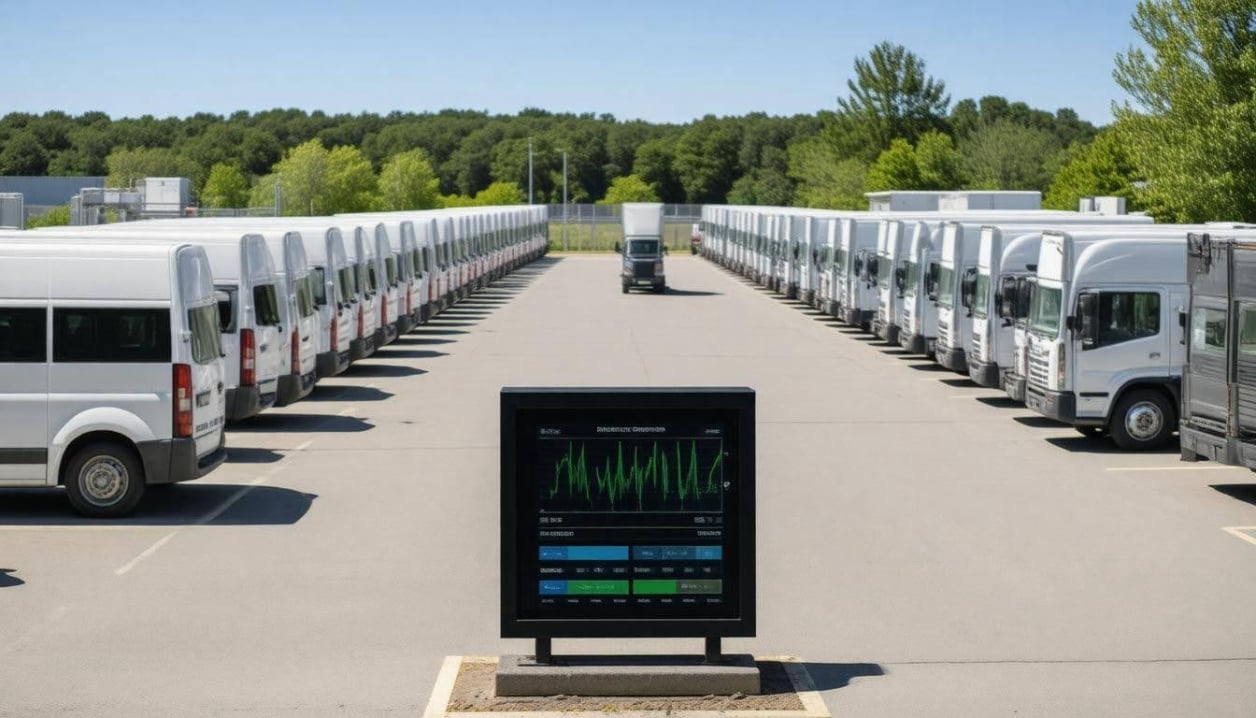
In the fast-paced world of business, managing expenses can feel like a never-ending puzzle—especially when it comes to fuel for your fleet. Picture the number of receipts piling up and the hours spent sorting through them, trying to make sense of where your money is going. But what if there was a way to simplify all that? Enter fuel cards: an innovative solution designed to keep track of fuel costs while saving time and money. Not only do they offer easy access to real-time spending data, but they can also help you uncover savings opportunities you might not have known existed. With the right tools in hand, businesses can take control of their fuel expenses and enhance overall efficiency. So let’s dive into just how fuel cards can transform the way companies manage their fleets!
Using fuel cards for businesses offers significant benefits, including real-time visibility into fleet-related expenses, flexible payment options, and enhanced security features that help prevent fraud. Additionally, they simplify the tracking of fuel usage, reduce administrative burdens through automated receipt management, and often include rebates or discounts at gas stations, leading to overall cost savings for companies utilizing motorized vehicles.
Fuel cards act as a sophisticated tool that simplifies the complexities of managing fuel expenses. By offering real-time transaction visibility, fuel cards empower business owners to keep tabs on their fuel expenditures instantaneously.
Imagine a delivery service with multiple vehicles, where expenses can accumulate rapidly. Each time a driver refuels, the details are automatically recorded and accessible instantly. This saves time and helps ensure that all transactions are captured accurately without the hassle of waiting for receipts.
To illustrate, think of how a construction firm could benefit from this function. Instead of sorting through stacks of manual logs or fumbling with lost receipts, fleet managers receive consolidated data at their fingertips. They can see which vehicle fueled up, how much was spent, and even the specific location of the purchase—all in real time. This capability not only simplifies monitoring but also enhances accountability among drivers since expenses are transparent and trackable.
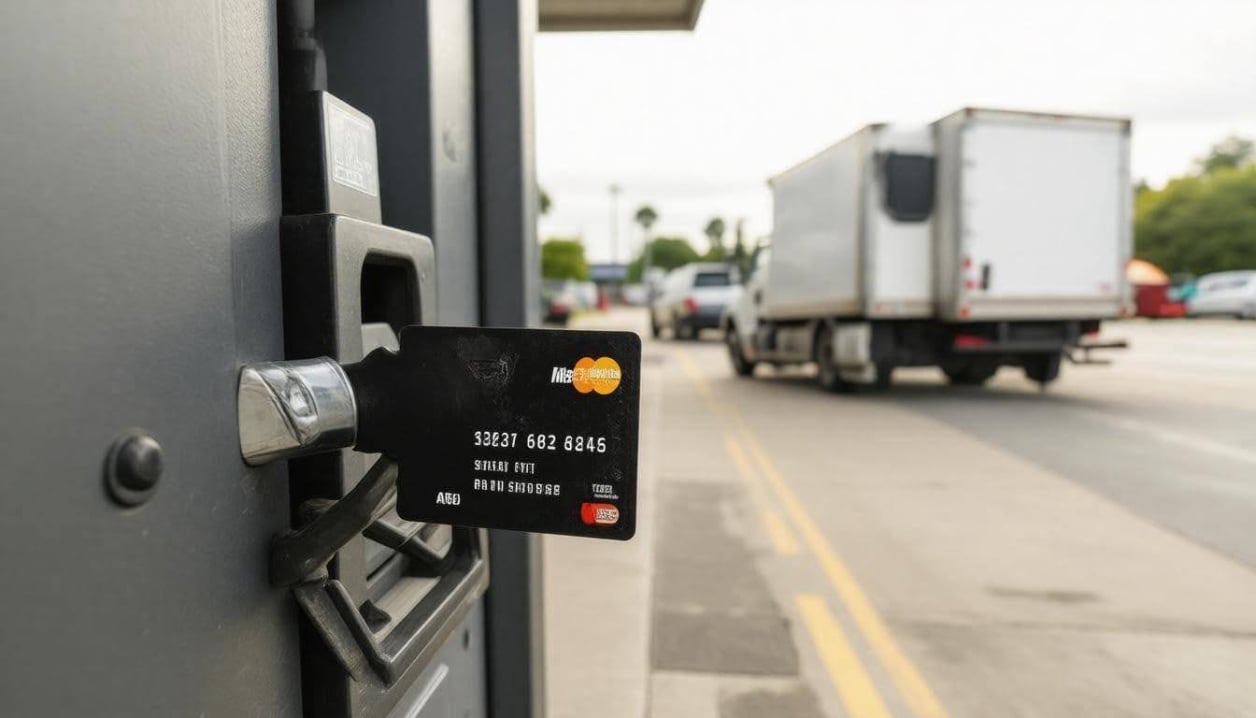
Beyond just tracking, fuel cards help reduce administrative burdens associated with managing fuel expenses. Many small business owners | business fleet solutions report spending significantly less time on paperwork due to automated digital records. A notable survey indicated that over 70% of users found utilizing fuel cards led to a drastic reduction in hours dedicated to tracking these costs. This helps businesses operate more efficiently while allowing employees to focus on other critical aspects of their work.
With technology doing the heavy lifting, it’s easy to see why many companies are opting for these smart solutions over traditional methods that often involve manual entries prone to error. Typically, when information is entered manually, there's always room for mistakes—whether it's transposing numbers or misplacing receipts altogether.
This efficiency naturally positions businesses for better financial oversight, leading to informed decision-making and ultimately contributing to cost savings.
Another worthwhile aspect is how fuel cards provide businesses with enhanced data reporting features. Such reports give insight into overall spending habits, helping managers identify patterns that may indicate where costs can be reduced or efficiencies improved.
Furthermore, the flexibility in payment options ensures that drivers can manage expenses while out on the road without fuss. Not only does this ease operational flow, but it also instills confidence in drivers knowing they have one straightforward method for navigating their fuel purchases.
As we consider these advantages in expense management and tracking capabilities, let’s move forward to explore how this system can further enhance profitability through strategic savings opportunities.
One of the most appealing aspects of using fuel cards is the potential for cost savings through various rebates and discounts. Fuel rebates often translate into real dollars saved, reducing overall expenditure for businesses that rely on vehicle fleets. When you factor in these rebates, it’s not uncommon for companies to save a significant amount each year. Many top-tier fuel cards provide rebates that can reach up to 5 cents per gallon purchased, which may seem small but adds up quickly with regular use.
Let’s break down how impactful these rebates can be over time. Consider this table that outlines potential annual savings based on different rebate levels:
| Rebate per Gallon (cents) | Annual Savings for 10 Vehicles ($) |
|---|---|
| 2 | 1,200 |
| 3 | 1,800 |
| 5 | 3,000 |
As you can see from this simple breakdown, if a fleet of 10 vehicles consistently uses fuel over the course of a year, even a modest rebate can yield substantial savings. These savings can be reinvested into other areas of your business, enhancing overall profitability.
Beyond rebates, another noteworthy cost-saving feature is discounts available at participating gas stations. Most fuel card providers form partnerships with select stations, allowing users to access extra discounts that complement the rebates already in place. Imagine saving an additional 10% at every fill-up station within the network—it’s like finding a hidden gem that keeps giving each time you visit.
The significance of these discounts cannot be overstated as they contribute directly to reducing transportation costs and improving overall budget management. By maintaining awareness of where your drivers refuel and leveraging these partnerships, you not only streamline expenses but also develop better operational strategies for upcoming expenditures.
The financial benefits realized from leveraging fuel cards create a pathway for businesses not just to watch their spending but to refine their operational models. This opens up discussions on methodologies that enhance productivity and streamline processes in various operational facets.
Fuel cards significantly streamline operations within a business, delivering both convenience and organization. For example, consider the simplified payment process that fuel cards provide. Gone are the days when drivers had to fumble around for cash or rely on their personal credit cards for fuel purchases.
With a dedicated fuel card in hand, each transaction is straightforward and hassle-free. Imagine it as having a business wallet specifically for your fleet expenses, eliminating the need for reimbursement forms or the long wait times for approvals that often come with using personal funds. This seamless approach saves time and reduces administrative burdens, allowing drivers to focus more on their routes rather than on financial matters.
Beyond just making transactions easier, fuel cards also bring a notable advancement in record management.
Consider the advantage of automated receipt collection. In traditional setups, lost receipts can derail expense tracking and introduce discrepancies in financial reporting. However, with fuel cards, every purchase generates an electronic record automatically saved in the system. Businesses can expect more accuracy in expense reports alongside improved record keeping, streamlining accounting processes and providing valuable insights for fleet managers to monitor overall spending and identify potential cost-saving areas.
Moreover, companies can leverage advanced data analytics capabilities tied to these fuel cards, accessing Level 3 data that includes detailed transaction breakdowns. Such data allows fleet managers to critically analyze spending behaviors—this means understanding fuel consumption patterns and finding opportunities for further operational efficiency improvement. Having access to this level of insight empowers businesses to make informed decisions based on real-time data rather than guesswork.
Efficient operations often directly correlate with better decision-making and resource allocation within a fleet.
By integrating fuel cards into their payment systems, businesses gain enhanced expenditure management alongside overall operational proficiency. This holistic approach enables fleets to better navigate the demands of today's mobility ecosystem while maintaining performance and compliance standards within the industry.
With these enhancements in place, organizations can move toward tighter control over their fleet operations, ensuring that every detail contributes to maximizing efficiency and effectiveness.
Fuel cards provide businesses with powerful tools to keep their fleet operations running smoothly. One of the standout features is card-level controls, which grant managers the ability to set spending limits based on specific criteria. For instance, by establishing unique limits per vehicle type or by driver, an HVAC service provider can ensure that crews are only using funds for fuel and nothing extraneous—thereby keeping tight control on costs. Such restrictions eliminate concerns about drivers making unauthorized purchases and help guarantee that each dollar spent is accounted for. This makes the chaos of managing expenses feel more like an organized process rather than a never-ending headache.
Another advantage through the lens of better fleet control comes from improved route planning enabled by the detailed transaction data fuel cards provide. With access to real-time records, businesses can examine their fuel usage patterns and identify which routes deliver the best fuel efficiency. By analyzing this data, companies can adjust travel routes, reducing overall mileage and cutting down fuel expenses significantly over time. Consider a delivery service that discovers peak traffic times—by avoiding those windows, they can cut down idle time and conserve fuel, benefiting both profitability and environmental impact.
Enhancing security further contributes to better fleet management as well. When drivers know there’s oversight in place—thanks to established controls and monitoring tools—it fosters a sense of accountability throughout the operation. Additionally, many fuel cards come with advanced security measures like unique codes for each transaction and secondary verification via linked mobile devices, safeguarding against unauthorized use. These features reduce the risk of fraud and misuse while boosting confidence within your fleet operations.
As we transition into discussing additional practical considerations, it's clear that using these cards not only enhances financial vigilance but also leads to greater operational efficiencies within your business.
Security is paramount in financial transactions, especially when it comes to managing expenses for a fleet. Fuel cards are designed with this priority in mind, ensuring that every transaction is as safe as possible while also promoting efficiency in usage.
One of the standout features of modern fuel cards is the integration of EMV chips. These chips generate unique authentication codes for each transaction. This means that even if someone were to steal your card information, they would find it nearly impossible to misuse the card for fraudulent purchases.
This sophisticated technology significantly reduces the risk of unauthorized access and transactions. Moreover, many providers enhance security further by incorporating secondary verification methods. For instance, some fuel cards require drivers to send a text or input a PIN before using the card at a fueling station. This added step ensures that only authorized personnel can access the card’s functionality, creating an extra layer of protection against potential fraud.
However, while security is critical, usability shouldn't be overlooked. The way fuel cards are distributed can significantly impact both convenience and efficiency.
When distributing fuel cards, companies face the challenge of ensuring all drivers have access without unnecessary red tape. Fortunately, managers can easily assign specific cards to drivers without needing to personalize them on-site. This means they can distribute fuel cards quickly across various locations, allowing drivers immediate access without delays.
Imagine a transport manager overseeing multiple routes; having the capability to issue a card in minutes from their office keeps operations flowing smoothly without wasting time on logistics.
By simplifying distribution, businesses not only enhance operational efficiency but also uphold accountability. Each driver can be assigned a unique card linked directly to their profile in the company's system. This association enables real-time tracking and monitoring of expenses associated with each vehicle or driver, offering insights into spending patterns.
Such transparency aids in budgeting and helps identify areas where costs can be trimmed down.
Combining robust security measures with user-friendly distribution methods creates powerful tools that empower businesses to manage fleet-related expenditures effectively. Now let's explore how advanced reporting capabilities further enhance this operational efficiency.
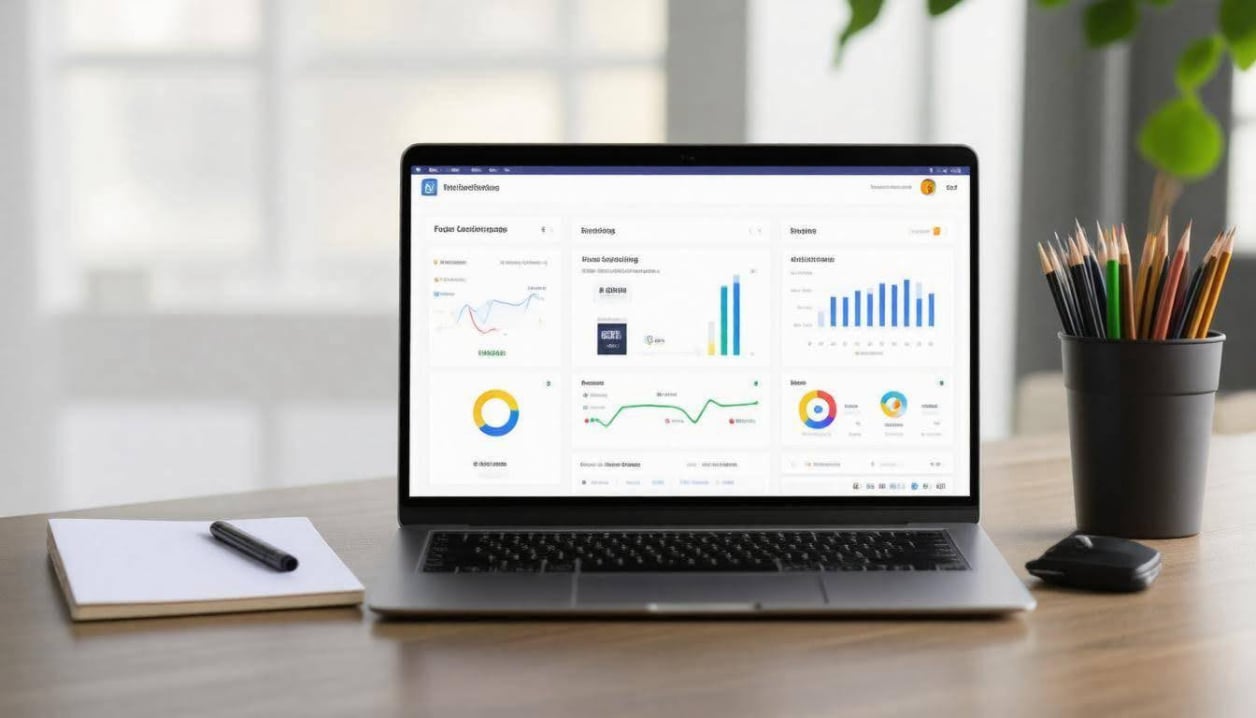
Comprehensive reporting tools provided by fuel card systems are essential for businesses aiming to manage their fleet expenses effectively. Imagine having access to a dashboard that tells a story about every fuel purchase made throughout the month. These tools compile detailed data that aids in decision-making and provides clarity on spending patterns.
With these systems, businesses can access reports that include:
These thorough reports are invaluable tools for strategic planning. If a team notices heavy fuel consumption during specific shifts or routes, it raises crucial questions—are there inefficiencies at play? Is there an opportunity to improve driving habits or consider alternative routes?
This information helps companies analyze when and where fuel is being purchased most frequently, informing operational planning.
Understanding fuel type preferences allows businesses to optimize fuel-buying strategies.
Tracking drivers and vehicles associated with certain purchases fosters accountability and indicates areas needing improvement.
This high level of detail goes beyond mere budgeting; it plays a critical role in identifying potential misuse or fraud. With transparency into each transaction, it's easier to spot anomalies that may indicate improper use.
Consider this: An HVAC company found that their monthly fuel expenditure reports illuminated patterns indicating certain drivers were consistently purchasing excessive amounts of fuel. Upon further investigation, they discovered inefficiencies that helped them save several thousand dollars annually. This example illustrates how effective reporting sharpens financial oversight and curbs unnecessary expenses.
The actionable insights gleaned from these reports empower businesses to take proactive measures. They facilitate discussions around employee training focused on fuel-efficient driving or optimizing delivery schedules based on peak purchasing times identified through report analysis.
Ultimately, integrating comprehensive reporting tools into fleet management isn't merely about tracking expenditures; it’s about building a smarter, more cost-effective operation that thrives on informed decision-making.
Incorporating these robust reporting features not only enhances operational efficiency but also maximizes your bottom line. The right insights can lead to substantial long-term savings for businesses seeking to streamline their fleet management processes.